

Why Low Sodium Matters in 2026
Sodium isn’t the villain it’s the overdose that causes problems. Your body needs it to function: muscle contractions, nerve signals, fluid balance. But most of us blow past the recommended limits without knowing it and it adds up fast.
The American Heart Association now recommends no more than 1,500 mg of sodium per day for optimal heart health. That’s a big shift from the old 2,300 mg guideline and even that was regularly ignored. What prompted the change? Rising rates of hypertension and heart disease, tied closely to long term high sodium consumption. In short: less salt, longer life.
Here’s where it gets tricky. Most of the sodium people consume doesn’t come from salt shakers. It sneaks in through packaged foods, takeout meals, canned soups, dressings, breads even so called ‘healthy’ options. A single fast casual chicken bowl could pack your full daily limit. One slice of frozen pizza can have 700 mg or more.
If you’re not actively cutting sodium, you’re almost definitely eating too much. Learning where it hides and how to lower it without ditching flavor is the new baseline for healthy, everyday cooking.
What to Stock Before You Start
Cooking low sodium doesn’t mean cooking low flavor but you’ll need to rework your pantry. Start with the essentials: no salt added canned goods, sodium free broths, and plenty of dried herbs and spices. Think garlic powder, smoked paprika, cumin, turmeric, and crushed red pepper. Acidic ingredients like vinegar (apple cider, balsamic, rice) and citrus (lemons, limes) pull double duty brightening dishes while cutting the need for salt.
Now about salt substitutes: not all are created equal. Potassium based options like Nu Salt or Morton’s Salt Substitute can work but some people need to avoid extra potassium, especially if they have kidney issues. Taste can also be a curveball; many substitutes have a metallic afterfeel. The real trick? Don’t try to mimic salt build flavor a different way.
Lean into umami. Ingredients like tomato paste, nutritional yeast, mushrooms, and low sodium soy sauce (used sparingly) help round out that savory depth. Toast your spices before cooking to unlock more aroma. Bring in texture with toasted nuts, roasted veggies, or a splash of sesame oil at the end.
If your pantry has range, your meals won’t miss the salt.
Recipe 1: Garlic Lime Grilled Chicken with Quinoa
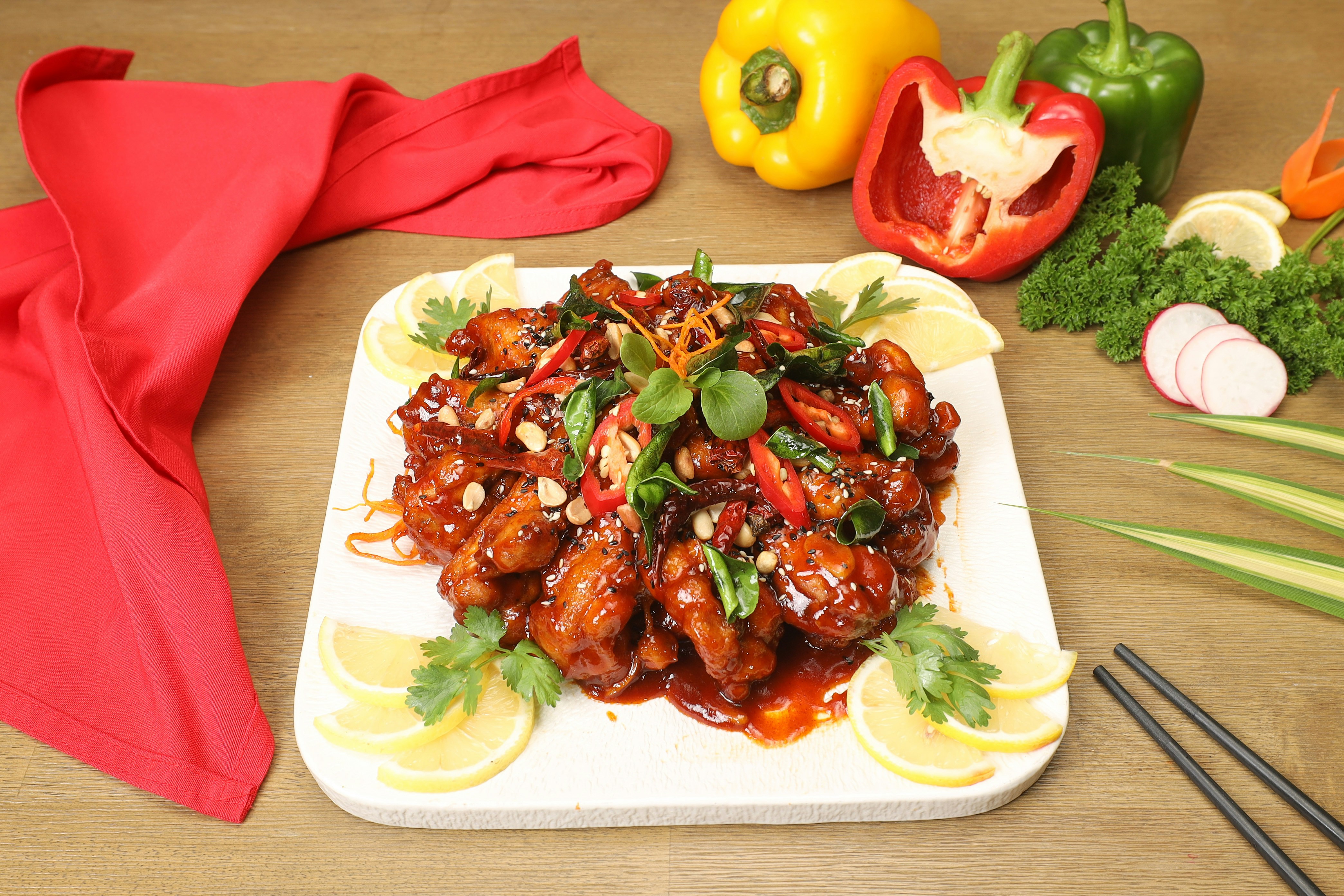
This recipe checks all the right boxes: high protein, low sodium, and you can pull it together in under 30 minutes. Chicken breast gets an upgrade here without leaning on salt for flavor. Instead, we use a sharp hit of lime juice, a drizzle of olive oil, freshly crushed garlic, and chopped cilantro. Marinate it for at least 15 minutes or up to a few hours if you’ve got the time. Grill or pan sear until golden outside and cooked through.
The quinoa cooks in 15 minutes and soaks up any extra marinade like a sponge. Cook it in low sodium broth or water with a squeeze of lime at the end to keep flavor in check.
To round it out, throw together a cucumber mint salad: thinly sliced cucumbers, chopped fresh mint, a splash of white vinegar or lemon juice, and a pinch of cracked pepper. No salt needed. It’s crunchy, refreshing, and cuts the richness of the chicken perfectly.
Recipe 2: Veggie Packed Stuffed Bell Peppers
These stuffed bell peppers are a low sodium win that don’t sacrifice one bit of flavor. The base is fully plant based think sautéed onions, zucchini, carrots, and cooked grains like brown rice or quinoa. From there, it’s wide open. You can add jalapeños for heat, fresh herbs for punch, or nutritional yeast for a cheesy note.
Protein wise, canned beans step in perfectly. Just make sure to grab the low sodium versions and rinse them well. Or, if you’ve got time, cooking dry beans from scratch gives you more control over salt and texture.
To keep it efficient, use a single oven safe skillet or baking dish. Cook everything down on the stovetop, pack it into halved bell peppers, and slide the same pan straight into the oven. One pan, less mess, more time to actually enjoy dinner.
This dish scales easily too whether it’s solo night or feeding four, it just works.
Recipe 3: Zucchini Noodles with Avocado Pesto
A heart healthy choice that doesn’t skimp on flavor, this zucchini noodle dish is a great low sodium alternative to traditional pasta. It’s light, fresh, and satisfying perfect for any night of the week.
Why It’s a Game Changer
Completely sodium free when made from scratch
Packed with healthy fats from avocado and olive oil
Quick to prepare, especially with a spiralizer or pre cut zoodles
Simple, Creamy, Sodium Free Pesto
You don’t need salt or cheese to make a rich, flavorful pesto. Instead, blend these bold ingredients:
1 ripe avocado
Fresh basil leaves
Garlic (roasted for extra depth)
Olive oil
Lemon juice
A dash of black pepper or crushed red pepper flakes (optional heat)
Mix until smooth and creamy. This sauce coats the zucchini noodles beautifully and adds a buttery texture without a single sodium heavy ingredient.
Boost the Protein
Want to round out the meal?
Grilled shrimp pairs beautifully with the creamy texture and brings light, heart friendly protein.
Pan seared tofu is a great vegetarian alternative press it beforehand to remove excess water and season with garlic powder and lemon juice.
Serving Suggestions
Top with chopped cherry tomatoes or toasted pine nuts for crunch
Serve warm or chilled as a flexible anytime meal
This dish delivers a satisfying comfort food feel with none of the sodium overload. Great for weeknights or light lunches.
Recipe 4: Baked Sweet Potato Tacos
Sweet potatoes are a low sodium superstar packed with fiber, potassium, and natural sweetness. When roasted to perfection, they create a rich, satisfying base for flavorful, heart smart tacos.
Why This Recipe Works
Naturally low in sodium and high in nutrients
Versatile and simple to prep with pantry staples
Taco style format makes it a fun and customizable option for families, roommates, or solo cooks
Build Bold Flavor Without Salt
Ditch the salt shaker and use these spice ideas to level up your taco filling:
Smoked paprika + cumin + garlic powder
Chili powder + lime zest + coriander
Ground chipotle + oregano + black pepper
Mix your custom blend with olive oil and toss with diced or sliced sweet potatoes before baking. Roast at 400°F for about 25 30 minutes until tender and caramelized.
Make it a DIY Taco Bar
Turn taco night into a choose your own adventure meal with an easy setup:
Base:
Roasted sweet potato
Optional: low sodium black beans, sautéed onions & peppers
Toppings:
Shredded lettuce or cabbage
Fresh cilantro
Diced avocado or guacamole
No salt added salsa or pico de gallo
Plain Greek yogurt as a sour cream substitute
Tortilla Tip: Opt for whole grain or corn tortillas labeled as low or no sodium.
This hands on approach encourages healthy eating and gives everyone at the table a chance to customize their plate while keeping sodium in check.
Recipe 5: Lemon Herb Salmon with Steamed Greens
Baking fish can be a surprisingly delicate task, especially when you’re cooking without the usual salt enhancements. But with smart techniques and simple, sodium free sides, this dish delivers both flavor and nutrition.
How to Bake Salmon Without Drying It Out
Maintaining moisture is key when baking salmon. Here’s how to keep the texture tender and flaky:
Use Foil or Parchment Pouches: Wrap individual fillets with lemon slices, herbs, and olive oil to lock in steam.
Bake at the Right Temperature: 375ºF to 400ºF is ideal for even cooking without over drying.
Check Early and Use a Thermometer: Salmon is done when it reaches an internal temperature of 125ºF to 130ºF and flakes easily with a fork.
Zero Sodium Sides That Pair Well
Balance your plate with vibrant, salt free sides that complement the salmon:
Steamed Greens: Try spinach, kale, or Swiss chard with a drizzle of lemon juice and extra virgin olive oil.
Garlic Roasted Cauliflower: Toss cauliflower florets in olive oil and roasted garlic, then roast until golden.
Herbed Brown Rice or Quinoa: Season with parsley, lemon zest, and a pinch of turmeric or black pepper.
Quick Swap: Trout or Cod on a Budget
No salmon? No problem. You can easily adapt this recipe to work with more affordable, low sodium friendly fish:
Trout: Offers a similar rich flavor and tender texture.
Cod: Mild, flaky, and perfect for absorbing citrus and herb marinades.
Choose what’s freshest and most accessible this recipe is designed to be flexible while staying within your low sodium goals.
Extra Tips for Low Sodium Living
Cutting back on sodium isn’t just about the recipes it’s about your habits. First up: get good at reading labels. Sodium hides in places you wouldn’t expect breads, sauces, deli meats, even some ‘healthy’ frozen meals. Ignore the front of package claims. Flip it over, scan the sodium per serving, and keep an eye on what they consider ‘one serving.’ Many times, it’s less than you’d eat in reality.
Cooking in bulk is another underrated move. Make a few big meals on Sunday chili, grain bowls, roasted veggies then portion them out. You’ll be less tempted to grab high sodium takeout midweek, and it saves serious time.
Finally, build flavor that doesn’t rely on salt. Vinegars (balsamic, red wine, apple cider), citrus (fresh lemon or lime zest and juice), and roasted garlic are your new go tos. They punch up everything from dressings to grilled proteins. Once you get the hang of seasoning boldly without the shaker, you won’t miss all that salt.
Looking for even more low sodium and easy healthy recipes?
We’ve compiled dozens of award winning ideas to help you eat better every day without sacrificing flavor.
 Ask Vickyette Schwarz how they got into food culture insights and you'll probably get a longer answer than you expected. The short version: Vickyette started doing it, got genuinely hooked, and at some point realized they had accumulated enough hard-won knowledge that it would be a waste not to share it. So they started writing.
What makes Vickyette worth reading is that they skips the obvious stuff. Nobody needs another surface-level take on Food Culture Insights, Culinary Trends and News, Cooking Tips and Techniques. What readers actually want is the nuance — the part that only becomes clear after you've made a few mistakes and figured out why. That's the territory Vickyette operates in. The writing is direct, occasionally blunt, and always built around what's actually true rather than what sounds good in an article. They has little patience for filler, which means they's pieces tend to be denser with real information than the average post on the same subject.
Vickyette doesn't write to impress anyone. They writes because they has things to say that they genuinely thinks people should hear. That motivation — basic as it sounds — produces something noticeably different from content written for clicks or word count. Readers pick up on it. The comments on Vickyette's work tend to reflect that.
Ask Vickyette Schwarz how they got into food culture insights and you'll probably get a longer answer than you expected. The short version: Vickyette started doing it, got genuinely hooked, and at some point realized they had accumulated enough hard-won knowledge that it would be a waste not to share it. So they started writing.
What makes Vickyette worth reading is that they skips the obvious stuff. Nobody needs another surface-level take on Food Culture Insights, Culinary Trends and News, Cooking Tips and Techniques. What readers actually want is the nuance — the part that only becomes clear after you've made a few mistakes and figured out why. That's the territory Vickyette operates in. The writing is direct, occasionally blunt, and always built around what's actually true rather than what sounds good in an article. They has little patience for filler, which means they's pieces tend to be denser with real information than the average post on the same subject.
Vickyette doesn't write to impress anyone. They writes because they has things to say that they genuinely thinks people should hear. That motivation — basic as it sounds — produces something noticeably different from content written for clicks or word count. Readers pick up on it. The comments on Vickyette's work tend to reflect that.