

I know what you’re thinking when you see another heart-healthy recipe guide.
You’re probably expecting bland chicken breast and steamed vegetables. Or recipes that call for ingredients you’ve never heard of and can’t find at your local grocery store.
That’s not what this is.
I’ve put together recipes that actually taste good and won’t take over your evening. You can make most of these in under 30 minutes with ingredients you already know.
Here’s the thing about eating for a stronger heart: it doesn’t have to be complicated. You don’t need exotic superfoods or a culinary degree.
You just need the right recipes.
These easy healthy recipes heartarkable are built around ingredients that research shows support cardiovascular health. We’re talking about real food that works. No trends that’ll be gone next year.
If you’re short on time, tired of tasteless meals, or just want to know that what you’re cooking is actually helping your heart, you’re in the right place.
I’ll show you that heart-healthy eating can be simple and something you’ll actually look forward to.
No overwhelm. Just good food that happens to be good for you.
The Core Principles of Heart-Healthy Cooking (Simplified)
Look, I’m not going to tell you that eating for your heart means giving up flavor.
Because that’s just not true.
I’ve seen too many people think heart-healthy cooking means boiled chicken and sad steamed broccoli. Then they last about three days before they’re elbow-deep in a pizza box.
Here’s what actually works.
Focus on the Right Fats
Your heart doesn’t hate all fats. It just hates the wrong ones.
Unsaturated fats are your friends. Think avocados, nuts, and olive oil. These are the fats that actually help your cardiovascular system instead of clogging it up like old plumbing.
Saturated and trans fats? Those can take a hike.
Fiber Keeps Things Moving
Whole grains, legumes, fruits, and vegetables aren’t just good for regularity (though let’s be honest, that’s a nice bonus).
They help manage your cholesterol too. Your body uses fiber to sweep out the bad stuff before it becomes a problem.
Protein Without the Baggage
Fish, poultry, beans, and lentils give you what you need without the saturated fat overload.
I’m not saying you can never have a steak. But making these your go-to proteins? That’s the move.
Salt is Not a Food Group
This one trips people up because we’re so used to oversalted everything.
But here’s the secret. Herbs, spices, citrus, and vinegar can make food taste incredible without jacking up your blood pressure. You just have to relearn how to season.
(Your taste buds will adjust faster than you think.)
Eat the Rainbow
No, not Skittles.
A variety of colorful fruits and vegetables gives you different antioxidants. Each color brings something different to the table.
For more easy healthy recipes Heartarkable, start with these principles. They’re simple enough to remember and flexible enough to actually live with.
Energizing Breakfasts (Ready in Under 10 Minutes)
You’ve probably heard that breakfast needs to be this elaborate production.
Eggs. Bacon. Toast. Fruit. The whole spread.
But here’s what nobody tells you. Those Instagram-worthy breakfast plates? They’re killing your morning routine and probably your heart health too.
I’m going to show you something different.
Two recipes that take less time than scrolling through your phone. And they actually do something for your cardiovascular system. In a world where time often slips away into endless scrolling, these two quick recipes not only nourish your body but are also truly Heartarkable for boosting your cardiovascular health.
Recipe 1: Berry & Almond Oatmeal
Grab rolled oats, water or skim milk, mixed berries (frozen works fine), slivered almonds, and cinnamon.
Microwave the oats with liquid for 90 seconds. Toss everything else on top.
Done.
Why this matters: Oats have soluble fiber that actually lowers LDL cholesterol. Not by a little. Studies show it can drop your numbers by 5-10% (American Heart Association). Berries bring antioxidants that protect your blood vessels. Almonds add healthy fats your heart needs.
Most people think you need fancy superfoods. You don’t. These basic ingredients do the work.
Recipe 2: Speedy Avocado Toast
One slice of whole-grain bread. Half an avocado. Lemon juice. Red pepper flakes if you want some kick.
Toast the bread. Smash the avocado on it. Squeeze lemon. Sprinkle flakes.
That’s it.
The whole-grain bread supports your heart in ways white bread never will. Avocado gives you monounsaturated fats that drop bad cholesterol while keeping the good stuff intact.
People say avocado toast is overpriced millennial nonsense. But strip away the café markup and you’ve got one of the best heart-healthy breakfasts you can make.
These easy Healthy Recipes Heartarkable focuses on aren’t about perfection. They’re about getting real nutrition into your body before your day starts.
No 30-minute cook times. No cleanup that takes longer than eating.
Just food that works.
Flavorful & Fast Lunch Recipes
You want lunch that tastes good and doesn’t wreck your afternoon energy.
I hear this all the time. People grab whatever’s quick, then feel sluggish by 2pm. Or they spend 30 minutes meal prepping something that tastes like cardboard.
Here’s what I’ve learned from testing easy healthy recipes heartarkable style.
You don’t need to choose between flavor and speed. You just need the right approach.
Mediterranean Quinoa Salad vs Grilled Chicken Wrap
Let me show you two lunches that actually work.
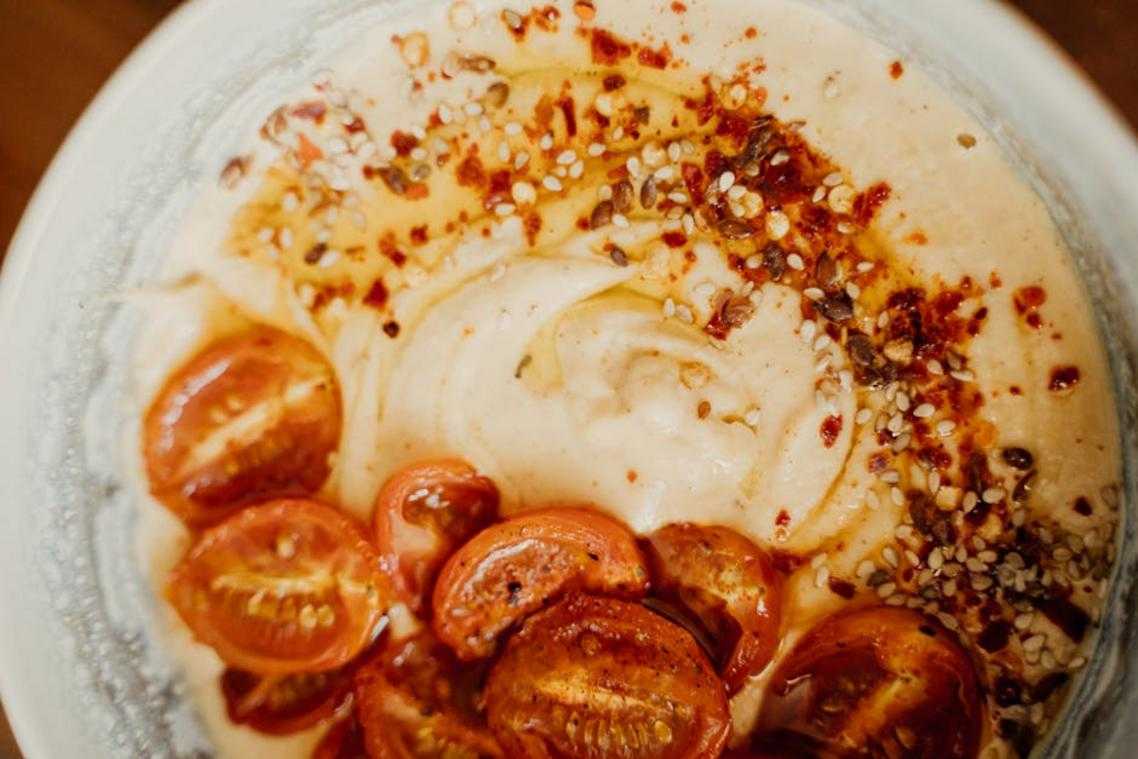
The Mediterranean Quinoa Salad is my go-to when I want something light but filling. You toss cooked quinoa with cherry tomatoes, cucumber, chickpeas, and red onion. Then you make a quick lemon-herb vinaigrette (takes maybe two minutes).
The reason this works? You’re getting fiber and protein without the crash. Plus you skip the sodium bomb that comes with bottled dressings.
Now compare that to the Grilled Chicken & Veggie Wrap.
This one’s different. You take grilled chicken breast strips and wrap them in a whole-wheat tortilla with hummus, spinach, and bell pepper strips. It’s more substantial. More of a REAL MEAL feeling.
What makes it solid is the balance. Lean protein from the chicken. Fiber from the tortilla and veggies. Healthy fats from the hummus.
So which one should you make?
The quinoa salad is better if you’re eating at your desk or need something cold. You can prep it the night before and it actually tastes better after sitting for a few hours.
The wrap works when you have five minutes and access to a grill or stovetop. It’s warm, handheld, and feels more like traditional lunch food.
Both beat whatever’s in the vending machine. And both keep you going without that 3pm slump.
(Pro tip: if you’re wondering which cooking wine to use heartarkable style for cooking the chicken, a dry white wine works great for marinating.)
Pick the one that fits your day. Make it. Move on.
Simple & Satisfying Heart-Healthy Dinners
I used to think heart-healthy meant bland.
Steamed everything. No salt. No flavor. Just sad plates of food I had to force down because my doctor said so.
Turns out I was doing it all wrong.
The biggest mistake? I thought healthy cooking required fancy ingredients and complicated techniques. I’d buy expensive superfoods that would rot in my fridge because I had no idea what to do with them. After realizing that healthy cooking doesn’t have to be a daunting task, I discovered the joy of preparing delicious meals with minimal effort through Heartarkable Easy Recipes by Homehearted, which transformed my approach to using those once-neglected superfoods.
Here’s what I learned. You don’t need to be a chef. You just need a few solid recipes that actually taste good.
Let me show you three dinners I make all the time. They’re simple. They work. And nobody at your table will complain.
Recipe 1: Lemon Herb Baked Salmon with Asparagus
You need salmon fillet, fresh asparagus, olive oil, lemon, garlic, and dill.
Salmon gives you omega-3 fatty acids that help with inflammation and blood pressure. Baking keeps it low-fat without sacrificing taste.
I used to pan-fry everything until I realized I was adding unnecessary oil and making cleanup harder. Baking changed that.
Recipe 2: Hearty Black Bean Burgers
Grab canned black beans, breadcrumbs, onion, and spices like cumin and chili powder. Serve on a whole-wheat bun with lettuce and tomato.
This is my go-to meatless option. Low saturated fat, high fiber, and packed with plant-based protein.
My first attempt? I didn’t drain the beans properly and ended up with burger mush. Learn from my mistake and pat those beans dry.
Recipe 3: One-Pan Chicken and Root Vegetables
Chicken breast, sweet potatoes, carrots, broccoli, olive oil, and rosemary all go on one pan.
Sweet potatoes bring potassium which helps control blood pressure. Plus cleanup is a breeze (which matters more than you think on a Tuesday night).
You can find more easy healthy recipes heartarkable for your weekly rotation.
The lesson? Heart-healthy doesn’t mean sacrificing flavor or spending hours in the kitchen. It just means making smarter choices with ingredients you probably already know.
Beyond the Plate: Smart Swaps & Snacking Tips
You’ve probably seen a million swap lists before.
Greek yogurt for sour cream. Olive oil for butter. Blah blah blah.
But here’s what nobody tells you. Most of those swaps taste like cardboard if you don’t know when to use them.
I’m going to show you something different. The swaps that actually work in real cooking situations, plus the snacking strategy that keeps your heart happy without making you feel deprived.
The Swaps That Actually Taste Good
| Instead of This | Use This | When It Works Best |
|---|---|---|
| Sour cream | Greek yogurt (full-fat) | Cold applications like dips and toppings |
| Butter | Olive oil | Sautéing and salad dressings |
| Salt | Smoked paprika or garlic powder | Seasoning proteins and roasted vegetables |
Notice I said full-fat Greek yogurt. Because the low-fat stuff gets watery and weird when you need it to hold up.
Here’s the thing most recipe sites won’t mention. You can’t just swap olive oil into baking and expect the same results. It works great for cooking, terrible for cookies.
Snacking Without the Guilt Trip
Forget the idea that you need to munch on celery sticks all day.
I keep walnuts in my desk drawer. An apple in my bag. Sometimes I’ll heat up a small bowl of edamame with a sprinkle of sea salt.
Pro tip: Portion out your walnuts into small containers at the start of the week. A handful is about 1 ounce. Makes it way easier when you’re hungry and not thinking straight.
The secret? These snacks actually fill you up. Processed stuff just makes you hungrier an hour later.
Water Matters More Than You Think
Eight glasses a day sounds boring, I know.
But your heart needs it. Water helps your blood flow better and keeps everything running smooth.
I fill up a big bottle in the morning and finish it by dinner. Then I know I’m on track without counting glasses like some kind of hydration accountant. As I savor my evening meal, I can’t help but think about Which Cooking Wine to Use Heartarkable, ensuring that my culinary creations are just as delightful as my hydration goals for the day.Which Cooking Wine to Use Heartarkable
Want more ideas that don’t require a culinary degree? Check out heartarkable easy recipes by homehearted for meals that actually taste like food.
The bottom line is this. Small swaps add up over time, but only if you’ll actually stick with them.
Your Journey to a Healthier Heart Starts Now
You now have a toolkit of simple recipes that prove eating for a healthy heart doesn’t have to be a chore.
No more bland chicken and steamed broccoli. No more feeling like you’re missing out while everyone else enjoys their food.
These easy healthy recipes heartarkable focus on whole foods, lean proteins, and healthy fats. Every bite supports your cardiovascular system without sacrificing flavor.
Your heart deserves better than processed meals and takeout five nights a week.
Here’s what I want you to do: Pick one recipe from this list and make it this week. Just one.
Small changes stick better than complete overhauls. Cook that recipe. See how you feel. Then try another one next week.
You came here looking for heart-healthy meals that actually taste good. Now you have them.
The key to long-term success isn’t perfection. It’s consistency. One good meal at a time adds up faster than you think.
Your healthier heart starts with your next grocery trip.
 Jorveth Mornvale is the kind of writer who genuinely cannot publish something without checking it twice. Maybe three times. They came to food culture insights through years of hands-on work rather than theory, which means the things they writes about — Food Culture Insights, Ingredient Spotlights, Cooking Tips and Techniques, among other areas — are things they has actually tested, questioned, and revised opinions on more than once.
That shows in the work. Jorveth's pieces tend to go a level deeper than most. Not in a way that becomes unreadable, but in a way that makes you realize you'd been missing something important. They has a habit of finding the detail that everybody else glosses over and making it the center of the story — which sounds simple, but takes a rare combination of curiosity and patience to pull off consistently. The writing never feels rushed. It feels like someone who sat with the subject long enough to actually understand it.
Outside of specific topics, what Jorveth cares about most is whether the reader walks away with something useful. Not impressed. Not entertained. Useful. That's a harder bar to clear than it sounds, and they clears it more often than not — which is why readers tend to remember Jorveth's articles long after they've forgotten the headline.
Jorveth Mornvale is the kind of writer who genuinely cannot publish something without checking it twice. Maybe three times. They came to food culture insights through years of hands-on work rather than theory, which means the things they writes about — Food Culture Insights, Ingredient Spotlights, Cooking Tips and Techniques, among other areas — are things they has actually tested, questioned, and revised opinions on more than once.
That shows in the work. Jorveth's pieces tend to go a level deeper than most. Not in a way that becomes unreadable, but in a way that makes you realize you'd been missing something important. They has a habit of finding the detail that everybody else glosses over and making it the center of the story — which sounds simple, but takes a rare combination of curiosity and patience to pull off consistently. The writing never feels rushed. It feels like someone who sat with the subject long enough to actually understand it.
Outside of specific topics, what Jorveth cares about most is whether the reader walks away with something useful. Not impressed. Not entertained. Useful. That's a harder bar to clear than it sounds, and they clears it more often than not — which is why readers tend to remember Jorveth's articles long after they've forgotten the headline.