

You’re standing in front of the stove. Recipe open. Timer blinking.
Your hand hovering over the knob like it might bite.
You’ve done this before. And every time, something goes sideways. Salt instead of sugar.
Smoke alarm singing backup. A pan that won’t stop sticking.
I’ve watched beginners do this for years. Not chefs. Not food bloggers.
Real people. Tired, hungry, holding a wooden spoon like it’s a lifeline.
Here’s what I know: you don’t need more recipes. You need fewer techniques. The ones that actually stick.
The ones that work even if your knife skills are shaky and your pantry has three spices.
That’s why every technique in this guide is chosen for one thing: What Method of Cooking Is Easy to Use Fhthopefood.
No fancy tools. No “just practice more” nonsense. Just repetition that builds real confidence.
Not perfection.
I’ve taught this to hundreds. Same mistakes. Same wins.
Same relief when they finally cook without checking their phone every 30 seconds.
This isn’t theory. It’s what works. Right now.
With what you’ve got.
Let’s start there.
Knife Skills You’ll Actually Use. Not Just Watch on TikTok
I hold my chef’s knife like I mean it. Thumb and index finger pinch the blade just above the handle. Rest your knuckles against the side of the blade.
That’s your guide. Wrist straight. No floppy wrists.
If your wrist bends, you’re fighting yourself.
That grip stops slips before they start.
Chill the onion for 10 minutes. Cut off the top, not the root end. Leave the root intact.
It holds layers together. Slice in half root-to-tip. Peel.
Lay flat side down. Make vertical cuts (stop) short of the root. Then horizontal cuts (again,) stop short.
Finally, slice across. Rock the knife. Don’t saw.
Tears? They happen. Breathe through your mouth.
Keep the fridge cold. Skip the goggles (they) fog up and you’ll still cry.
Julienning bell peppers isn’t about looking fancy. It’s about control. Uniform strips cook evenly.
Your hand learns pressure. Your brain maps motion. You build reflexes that carry into every other cut.
And yes (always) cut on a damp towel. Secured board. Not a dry one.
Not a warped one. A damp towel under the board stops sliding. I’ve seen too many sliced thumbs from boards that slid an inch too far.
What Method of Cooking Is Easy to Use Fhthopefood? That’s where Fhthopefood comes in (simple) heat-and-stir methods built around these same knife habits.
Knife slips? Stop. Reposition.
Breathe. Then continue.
Food rolls? Tuck the rounded side under your knuckles. Anchor it.
No heroics. Just control. Just practice.
Heat, Oil, Season (Before) the Food Hits the Pan
I do this every time. No exceptions.
You’re not cooking until the pan is ready. Not when the timer beeps. Not when you think it’s hot enough.
When it tells you.
Stainless steel? Flick a few drops of water in. If they skitter and dance like mercury.
Good. If they vanish with a hiss (too) hot. If they just sit there and steam?
Not ready yet. (This test fails on nonstick. Don’t try it.)
Shimmering oil means go. Smoking oil means stop. That smoke is burnt molecules.
Flavor gone, nutrients wrecked, and your kitchen alarm might join the party.
Season before cooking. Salt draws moisture out (yes) — but that thin wet layer hits the hot pan first and vaporizes, leaving behind a crust you actually want. Do it after?
You get bland, soggy edges. I’ve done it both ways. Trust me: before.
Oils matter. Avocado: 520°F. Clean, high heat, zero personality.
Use it for searing steaks. Olive (extra virgin): 375°F (fruity,) fragile. Save it for finishing, not frying.
Canola or grapeseed: 400–450°F (neutral,) reliable, cheap. My default for weeknight stir-fries.
Preheat your skillet on medium for two minutes. Then add oil. Watch it shimmer.
That’s your cue.
Food sticks right away? Don’t yank it. Lower the heat.
Wait thirty seconds. Then nudge (gently) — with a spatula.
What Method of Cooking Is Easy to Use Fhthopefood? This one. It’s not magic.
It’s attention.
The One-Pot Method That Turns Any Recipe Into a Confidence
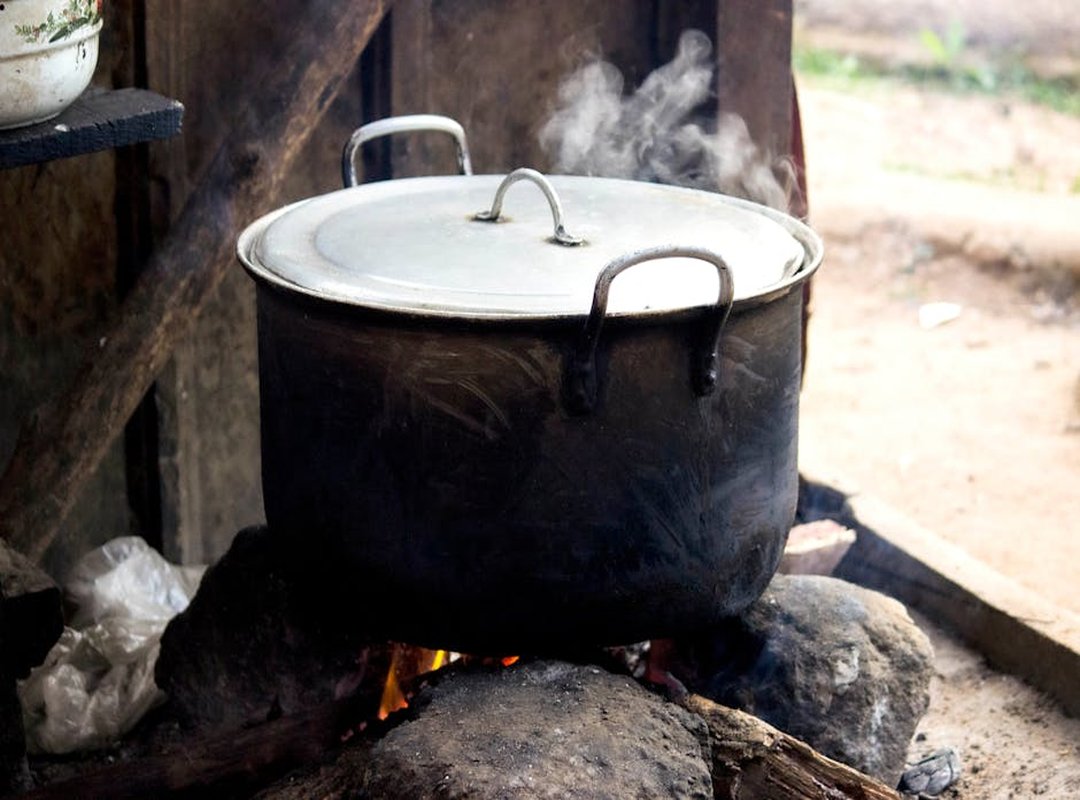
I cook in one pot because I hate washing pans.
And because it works. Every time.
The layer-and-stir method is how I do it. Aromatics first. Then protein.
Then veggies. Then liquid. Each layer builds flavor and gives the one before it time to do its job.
Take tomato-basil pasta sauce. I sweat garlic and onion in olive oil until soft (not) brown, not burnt. Then I add ground tomatoes (not canned puree.
Real crushed San Marzano) and stir for 90 seconds. That’s when the acid drops and the sugar wakes up. Then fresh basil stems go in.
Then the cooked pasta water. Then the noodles.
I wrote more about this in Fhthopefood Baking Recipes by Fromhungertohope.
What Method of Cooking Is Easy to Use Fhthopefood? This one.
You want thicker sauce? Don’t reach for flour. Reduce it.
Stir it. Let it rest. Watch the bubbles: fast boil → slow pop → lazy shimmer.
Burning fear? I get it. Stir constantly while aromatics cook.
That’s your cue.
Then stir every 30 seconds once protein hits the pan. Then stir only when you hear the sizzle drop. That’s when the fond forms.
Deglaze immediately after pulling food out. Broth, wine, even cold water (just) pour it in hot and scrape. That’s how you skip the scrubbing.
Fhthopefood Baking Recipes by Fromhungertohope uses this same rhythm (just) with dry heat and sugar instead of steam and acid.
One pot. One rhythm. No magic.
Just timing.
Taste Is a Muscle. Not Magic
I used to think I needed recipes to cook well.
Turns out I just needed to stop ignoring my mouth.
The taste triangle is salt, acid, fat. That’s it. No herbs.
No fancy techniques. Just those three. Adjust one, and 90% of “bland” or “harsh” fixes itself.
Taste mid-cook like this: clean spoon, blow once, sip slow. Not a lick. Your tongue needs time to catch up.
(Yes, even if you’re in a rush.)
Add ¼ tsp salt. Stir. Wait 20 seconds.
Retaste. Not “a pinch.” Not “to taste.” Exact. Measured.
Repeatable.
Acid isn’t just for brightness. It lifts flavors buried under fat or starch. Try it: taste a spoonful of mashed potatoes.
Then add one drop of lemon juice. You’ll hear your own brain go oh.
Your palate is already trained. You just need permission to trust it. What Method of Cooking Is Easy to Use Fhthopefood?
Start here (with) your mouth, not a screen.
What Should I Cook Based on What I Have Fhthopefood
Start Tonight With Just One Technique
Cooking feels chaotic because someone dumped ten things on you at once. Not because it’s hard. It’s not.
I’ve watched beginners freeze up trying to juggle heat control, timing, seasoning, and knife work. All before the pan is even hot.
So pick one. Just one. What Method of Cooking Is Easy to Use Fhthopefood? Knife skills.
Pan prep. Or the one-pot method.
Practice it twice this week. That’s it.
Right now. Grab a knife, an onion, and your cutting board.
Set a 5-minute timer.
Dice. Breathe. Stop when the timer dings.
No judging. No fixing. Just steady motion.
You’ll feel it click before you expect.
You don’t need to cook like a chef.
You just need to start like one (calm,) intentional, and kind to yourself.
 Catherine Nelsonalds has opinions about food culture insights. Informed ones, backed by real experience — but opinions nonetheless, and they doesn't try to disguise them as neutral observation. They thinks a lot of what gets written about Food Culture Insights, Cooking Tips and Techniques, Gastronomic Inspirations is either too cautious to be useful or too confident to be credible, and they's work tends to sit deliberately in the space between those two failure modes.
Reading Catherine's pieces, you get the sense of someone who has thought about this stuff seriously and arrived at actual conclusions — not just collected a range of perspectives and declined to pick one. That can be uncomfortable when they lands on something you disagree with. It's also why the writing is worth engaging with. Catherine isn't interested in telling people what they want to hear. They is interested in telling them what they actually thinks, with enough reasoning behind it that you can push back if you want to. That kind of intellectual honesty is rarer than it should be.
What Catherine is best at is the moment when a familiar topic reveals something unexpected — when the conventional wisdom turns out to be slightly off, or when a small shift in framing changes everything. They finds those moments consistently, which is why they's work tends to generate real discussion rather than just passive agreement.
Catherine Nelsonalds has opinions about food culture insights. Informed ones, backed by real experience — but opinions nonetheless, and they doesn't try to disguise them as neutral observation. They thinks a lot of what gets written about Food Culture Insights, Cooking Tips and Techniques, Gastronomic Inspirations is either too cautious to be useful or too confident to be credible, and they's work tends to sit deliberately in the space between those two failure modes.
Reading Catherine's pieces, you get the sense of someone who has thought about this stuff seriously and arrived at actual conclusions — not just collected a range of perspectives and declined to pick one. That can be uncomfortable when they lands on something you disagree with. It's also why the writing is worth engaging with. Catherine isn't interested in telling people what they want to hear. They is interested in telling them what they actually thinks, with enough reasoning behind it that you can push back if you want to. That kind of intellectual honesty is rarer than it should be.
What Catherine is best at is the moment when a familiar topic reveals something unexpected — when the conventional wisdom turns out to be slightly off, or when a small shift in framing changes everything. They finds those moments consistently, which is why they's work tends to generate real discussion rather than just passive agreement.