

I want to talk about something really important, but also very sensitive. The tragic death of Mauricio ‘Inquisitor’ Cruz, a well-known Call of Duty: Mobile content creator, has shaken the community. It’s a story that needs to be told, but with care and respect.
This article aims to provide a factual context about what happened. We’ll discuss the impact of cyberbullying and offer resources for those who need help. But let me be clear: we won’t include links to or graphic descriptions of the inquisitor suicide video.
That’s out of respect for Mauricio and to prevent the spread of harmful content.
Understanding this story is crucial. It serves as a cautionary tale about the real dangers of online harassment and the importance of mental health. We all have a role to play in making the internet a safer place.
Who Was Mauricio ‘Inquisitor’ Cruz?
Mauricio Cruz, known online as Inquisitor, was a young and prominent streamer from Brazil. He gained fame for his incredible skill in Call of Duty: Mobile.
Inquisitor wasn’t just a skilled player; he was a content creator who connected deeply with his audience. His streams were full of energy, humor, and genuine interactions. People loved watching him because he felt like a friend.
His significance in the esports and mobile gaming scene, especially in Latin America, can’t be overstated. He was a role model for many young gamers, showing that with passion and hard work, you could make a name for yourself.
At a young age, Inquisitor’s identity as a young creator played a big role in how he resonated with his fans. He was relatable, and his journey was inspiring to many.
Beyond the tragic headline, it’s important to remember his passion for gaming. He lived and breathed it, and his enthusiasm was infectious. His role as a content creator was more than just a job; it was a way to share his love for the game with others.
The inquisitor suicide video shocked the community. It was a stark reminder of the pressures and challenges that even the most successful creators face.
Inquisitor’s legacy is one of passion, skill, and connection. He left an indelible mark on the gaming community, and his story continues to remind us of the importance of mental health and support.
The Cyberbullying Campaign and False Accusations
The online harassment started with fabricated accusations of inappropriate conduct. It’s shocking how quickly lies can spread.
These false rumors were shared across social media platforms like TikTok, creating a viral wave of hate. Cancel culture came into play, and a digital mob formed to attack Inquisitor without verifying the information.
Inquisitor faced intense and relentless harassment. Death threats and constant negative messages bombarded him. The sheer volume and viciousness of the attacks were overwhelming.
The inquisitor suicide video only added to the chaos. It was a dark moment that highlighted the real damage of online bullying.
Eventually, the misinformation was debunked. But by then, the damage had already been done. This case shows the danger of online rumors and the importance of fact-checking before jumping on the bandwagon. Heartarkable
- Always verify information before sharing it.
- Speak out against cyberbullying and support those who are targeted.
- Report any instances of harassment you see online.
The Real-World Impact of Online Harassment
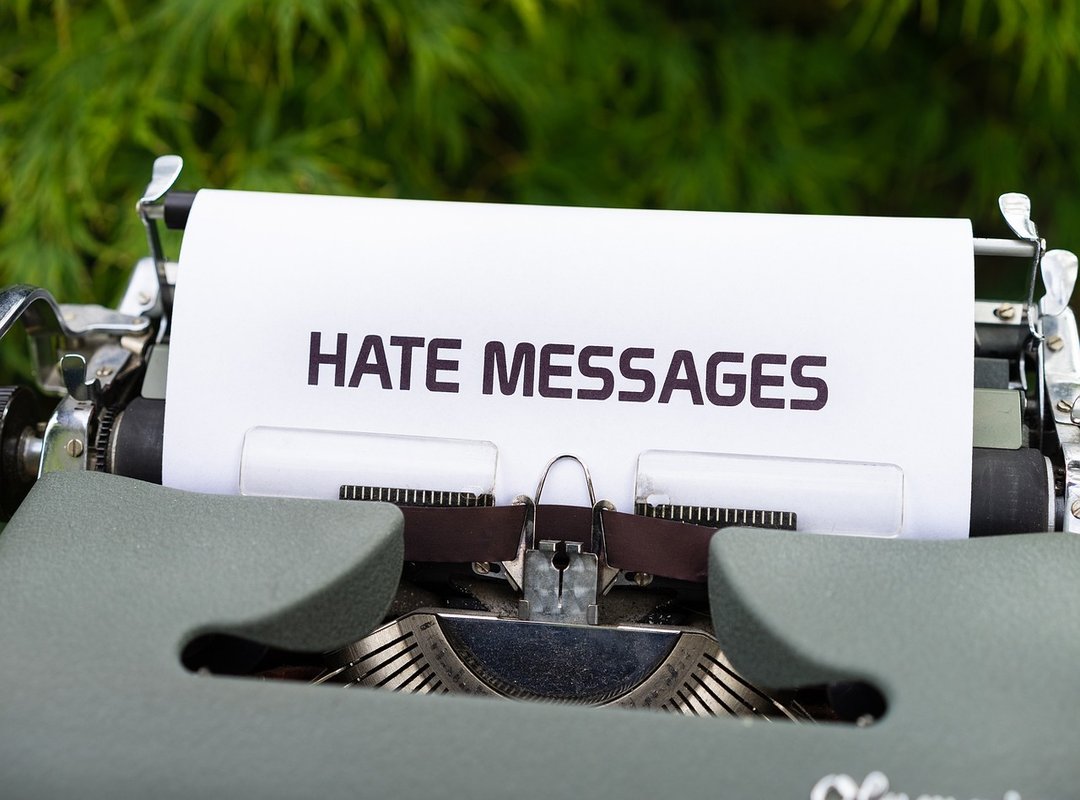
Online harassment can be brutal. It takes a severe psychological toll, especially on young people. Imagine being bombarded with hateful messages every day.
It’s not just words; it’s an attack on your mental health.
Take the case of Inquisitor. This content creator faced immense public pressure and relentless cyberbullying. The inquisitor suicide video is a stark reminder of how online actions can have real-world consequences.
There’s no line between the two.
Now, let’s compare two scenarios. On one hand, you have social media platforms that could do more to moderate hate speech and prevent targeted harassment. They have the tools and the power to make a difference.
On the other hand, you have users who often feel powerless and overwhelmed by the constant negativity.
Social media companies need to step up. They should enforce stricter policies and provide better support for those facing harassment. But it’s not just on them.
We, as users, also have a role to play. Before hitting send, think about the person on the other side of the screen. Your words can hurt or heal.
We all have a responsibility to create a safer online environment. It’s not just about avoiding harm; it’s about building a community where everyone feels respected and valued.
Where to Find Help and Promote a Safer Internet
This tragic event underscores the critical need for mental health awareness and support. Inquisitor suicide video is a stark reminder of the deep emotional struggles many face.
For immediate help, contact the National Suicide Prevention Lifeline at 988 or the Crisis Text Line by texting “HELLO” to 741741. These services are free and confidential.
Anyone feeling overwhelmed or experiencing suicidal thoughts should reach out immediately. You are not alone, and help is available.
Practice digital citizenship: report harassment, block toxic accounts, and support victims of cyberbullying. Your actions can make a significant difference in someone’s life.
Together, we can create a less toxic online environment. Let’s show compassion and take collective responsibility for each other’s well-being.
 Ask Vickyette Schwarz how they got into food culture insights and you'll probably get a longer answer than you expected. The short version: Vickyette started doing it, got genuinely hooked, and at some point realized they had accumulated enough hard-won knowledge that it would be a waste not to share it. So they started writing.
What makes Vickyette worth reading is that they skips the obvious stuff. Nobody needs another surface-level take on Food Culture Insights, Culinary Trends and News, Cooking Tips and Techniques. What readers actually want is the nuance — the part that only becomes clear after you've made a few mistakes and figured out why. That's the territory Vickyette operates in. The writing is direct, occasionally blunt, and always built around what's actually true rather than what sounds good in an article. They has little patience for filler, which means they's pieces tend to be denser with real information than the average post on the same subject.
Vickyette doesn't write to impress anyone. They writes because they has things to say that they genuinely thinks people should hear. That motivation — basic as it sounds — produces something noticeably different from content written for clicks or word count. Readers pick up on it. The comments on Vickyette's work tend to reflect that.
Ask Vickyette Schwarz how they got into food culture insights and you'll probably get a longer answer than you expected. The short version: Vickyette started doing it, got genuinely hooked, and at some point realized they had accumulated enough hard-won knowledge that it would be a waste not to share it. So they started writing.
What makes Vickyette worth reading is that they skips the obvious stuff. Nobody needs another surface-level take on Food Culture Insights, Culinary Trends and News, Cooking Tips and Techniques. What readers actually want is the nuance — the part that only becomes clear after you've made a few mistakes and figured out why. That's the territory Vickyette operates in. The writing is direct, occasionally blunt, and always built around what's actually true rather than what sounds good in an article. They has little patience for filler, which means they's pieces tend to be denser with real information than the average post on the same subject.
Vickyette doesn't write to impress anyone. They writes because they has things to say that they genuinely thinks people should hear. That motivation — basic as it sounds — produces something noticeably different from content written for clicks or word count. Readers pick up on it. The comments on Vickyette's work tend to reflect that.