

The Push Toward Sustainable Kitchens
Rising Consumer Expectations in 2026
Sustainability is no longer just a buzzword it’s a baseline for customer expectations. In 2026, diners are making more deliberate choices about where they eat, basing decisions not only on taste and service but also on environmental impact.
Consumers expect visible, tangible eco conscious practices
Labels like “zero waste” and “climate friendly” influence where people dine
Ethical food practices have become a key part of the overall dining experience
Climate Awareness Is Changing Dining Behaviors
As climate change continues to dominate global conversations, its influence is trickling down to everyday habits including where and how people eat. Food waste is in the spotlight, prompting both individuals and institutions to rethink consumption.
More diners seek restaurants aligned with their environmental values
Plant based menus and minimal waste cooking resonate with climate conscious groups
Consumers are more open to dishes that utilize “untraditional” parts of ingredients
Restaurant Pressure: Diners + Regulators
Restaurants are feeling the squeeze from two directions: consumer demand and government regulation. Both forces are accelerating the shift toward sustainability and reducing culinary waste.
Increased scrutiny from local governments on food waste management
Incentives and penalties related to waste disposal practices
Public reviews and social media amplify sustainable (or unsustainable) actions
The message is clear: adapting to a zero waste model is not just ethical or trendy it’s becoming essential for restaurants that want to stay competitive and compliant.
From Trend to Standard: Zero Waste Becomes Common Practice
Zero waste cooking isn’t just a headline anymore it’s becoming kitchen protocol. Leading the charge are chefs like Douglas McMaster of Silo in London and Matt Orlando from Copenhagen’s Amass, who’ve shown the world that elegance doesn’t require excess. They’re not just minimizing waste, they’re designing entire menus around what used to head straight to the bin.
Carrot tops become pesto. Fish bones turn into rich, slow simmered broths. Even onion skins get used to tint house made vinegar. These aren’t gimmicks they’re techniques that demand skill, curiosity, and restraint. Preservation plays a huge role too: fermentation adds funk and depth, while drying and pickling stretch seasonal produce further into the year.
For kitchens looking to tighten budgets and walk the sustainability talk, this movement offers a blueprint. It starts with seeing food waste not as garbage, but as untapped flavor. Once that mind shift happens, creativity follows.
Zero waste isn’t flashy. But quietly, it’s becoming the new normal.
Economic Upside for Restaurants
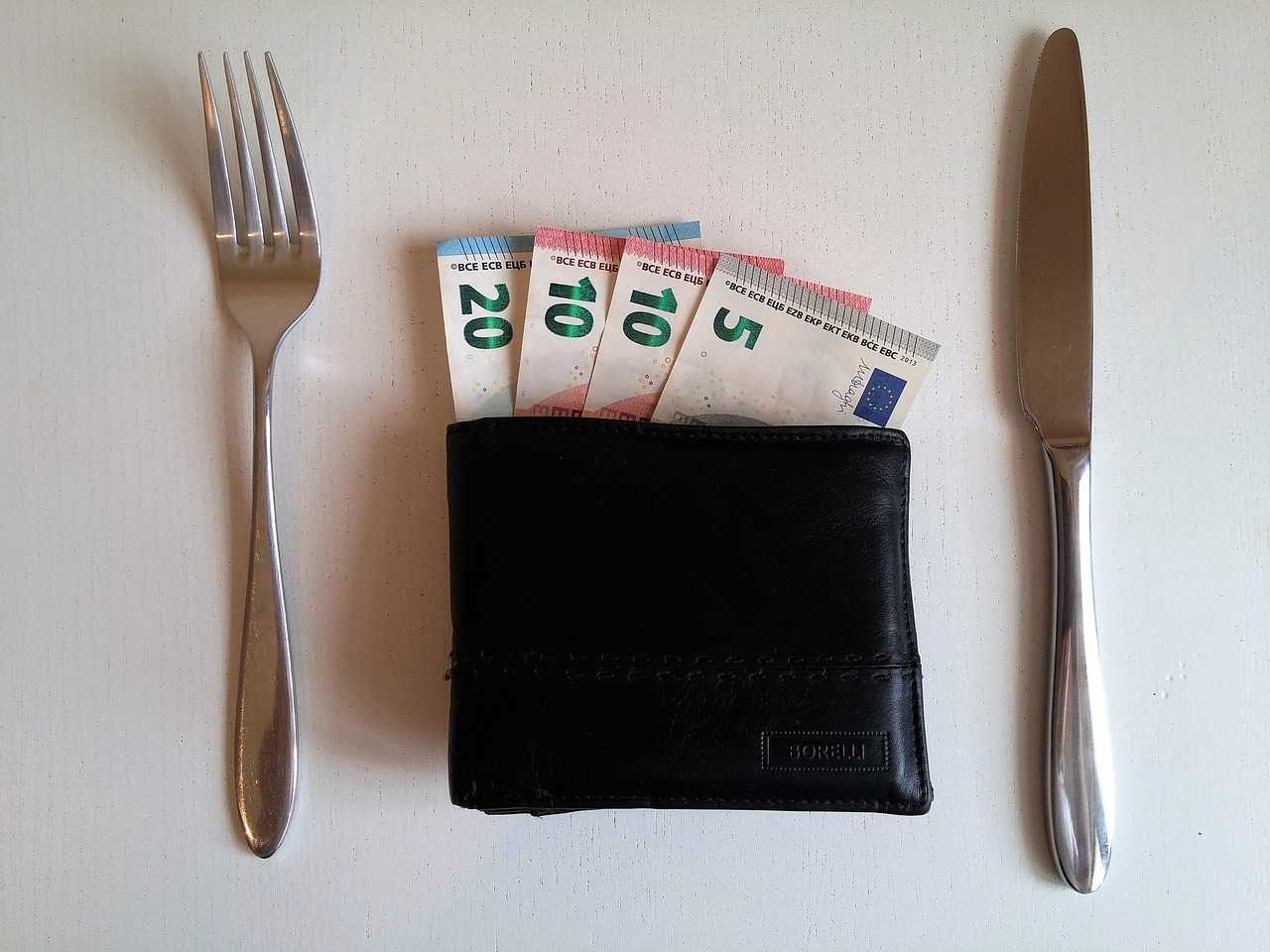
Zero waste cooking isn’t just good for the planet it’s becoming a smart business move for restaurants. In an industry where margins are notoriously tight, minimizing waste means maximizing value.
Cutting Costs, Not Corners
Reducing food waste directly translates into lower operating expenses. Restaurants adopting zero waste practices have found they can operate more efficiently without compromising the quality guests expect.
Utilizing entire ingredients cuts purchasing needs
Streamlined prep work saves time and labor
Bulk ordering guided by actual waste data reduces overstock waste
Turning Scraps into Signature Dishes
Innovative chefs are transforming traditionally discarded parts think carrot tops, citrus peels, and fish bones into components of highly marketable dishes.
Peels become infused oils, vinegars, or crisps
Stems and trimmings contribute to sauces, pestos, or garnishes
Bones and shells create deep, flavorful broths
These strategies not only reduce waste but frequently result in menu items customers recognize for both their creativity and sustainability.
Branding and Marketing Advantages
Restaurants proudly embracing zero waste practices are finding customers are paying attention.
Waste conscious branding sets you apart from competitors
Sustainability is a core value for Gen Z and Millennial diners
Behind the scenes stories on how dishes are made resonate with values driven audiences
Riding the Wave of Food Trends
Incorporating zero waste elements aligns with a broader movement toward conscious dining. It integrates seamlessly with trending food movements that value transparency, local supply chains, and ethical sourcing.
Zero waste as part of a larger sustainability narrative
Meets consumer desire for authenticity and purpose
Enhances loyalty through visibly responsible practices
Tech Tools Driving Zero Waste Implementation
Zero waste cooking isn’t just about clever recipes it’s about smart systems. In 2026, kitchens are leaning on software not only to track inventory but to spot waste patterns in real time. These tools flag what’s getting tossed too often and help chefs tighten up purchasing and prep accordingly. The result: fewer surprises, fewer overflowing bins.
AI is making even more of a mark. Predictive ordering tools are taking the guesswork out of food supply. These systems learn from sales patterns, booking data, and even the weather to forecast how much of each ingredient to bring in. This minimizes over ordering the first domino in the food waste chain.
And when food scraps are unavoidable? Composting is no longer a back alley afterthought. High efficiency composting stations are being built into kitchen workflows from prep stations to dish drop zones. The idea is to make waste processing as routine as chopping onions. It’s faster, cleaner, and just part of how modern kitchens run now.
The Customer Perspective
In 2026, sustainability isn’t a back pocket concern it’s a table stakes expectation. Diners are showing up with questions: Where did this come from? What happens to the waste? Why does this matter? And restaurants who have real answers not greenwashed taglines are getting the long term loyalty.
Gen Z and Millennials, in particular, are driving this shift. They don’t just want good food; they want receipts on ethics, sourcing, and footprint. Zero waste menus, once quirky side projects, now feel like responsible baselines. Whether it’s carrot tops turned into pesto or shells used for stock, these choices resonate.
But it’s not just about the food. It’s about transparency. When restaurants open up their process literally and figuratively customers lean in. Chefs explaining why a dish uses a certain cut, or digital menus listing where ingredients come from, all deepen trust. It turns a meal into a story, and diners into advocates.
It’s all part of a bigger wave. As outlined in these latest food trends, conscious dining is no longer a niche. It’s the new normal.
What’s Next for Zero Waste Cooking
Zero waste cooking is no longer locked inside restaurant kitchens. Meal kit startups, cloud kitchens, and delivery only concepts are picking up the torch. Some are designing menus around what would’ve been waste: think broth bases from veggie trimmings or sauces built from citrus peels. Others are taking it further using modular packaging that’s reusable or compostable right at home.
Regulators are catching up. In response to rising public consciousness, a wave of local and national policies are starting to take shape, many of them modeled after organic or fair trade food standards. Certifications are emerging to identify zero waste kitchens, providing a clear signal to both diners and business investors.
But the next level goes deeper: circular kitchen ecosystems. This means closed loop cooking where everything ingredients, energy, even wastewater is part of a designed cycle. Scraps become compost that feeds kitchen gardens. Excess heat powers neighboring spaces. It’s early stage experimentation now, but the forward thinkers are already plotting the blueprint.
In short, zero waste is becoming infrastructure. Not just how we cook but how food businesses are built.
 Jorveth Mornvale is the kind of writer who genuinely cannot publish something without checking it twice. Maybe three times. They came to food culture insights through years of hands-on work rather than theory, which means the things they writes about — Food Culture Insights, Ingredient Spotlights, Cooking Tips and Techniques, among other areas — are things they has actually tested, questioned, and revised opinions on more than once.
That shows in the work. Jorveth's pieces tend to go a level deeper than most. Not in a way that becomes unreadable, but in a way that makes you realize you'd been missing something important. They has a habit of finding the detail that everybody else glosses over and making it the center of the story — which sounds simple, but takes a rare combination of curiosity and patience to pull off consistently. The writing never feels rushed. It feels like someone who sat with the subject long enough to actually understand it.
Outside of specific topics, what Jorveth cares about most is whether the reader walks away with something useful. Not impressed. Not entertained. Useful. That's a harder bar to clear than it sounds, and they clears it more often than not — which is why readers tend to remember Jorveth's articles long after they've forgotten the headline.
Jorveth Mornvale is the kind of writer who genuinely cannot publish something without checking it twice. Maybe three times. They came to food culture insights through years of hands-on work rather than theory, which means the things they writes about — Food Culture Insights, Ingredient Spotlights, Cooking Tips and Techniques, among other areas — are things they has actually tested, questioned, and revised opinions on more than once.
That shows in the work. Jorveth's pieces tend to go a level deeper than most. Not in a way that becomes unreadable, but in a way that makes you realize you'd been missing something important. They has a habit of finding the detail that everybody else glosses over and making it the center of the story — which sounds simple, but takes a rare combination of curiosity and patience to pull off consistently. The writing never feels rushed. It feels like someone who sat with the subject long enough to actually understand it.
Outside of specific topics, what Jorveth cares about most is whether the reader walks away with something useful. Not impressed. Not entertained. Useful. That's a harder bar to clear than it sounds, and they clears it more often than not — which is why readers tend to remember Jorveth's articles long after they've forgotten the headline.