

Why Cast Iron Still Rules in 2026
Cast iron cookware continues to earn its place in the modern kitchen for one simple reason: it works. Whether you’re cooking over a flame or on the stovetop, cast iron delivers consistent, reliable results that other options just can’t match.
Enduring Performance That Lasts
Cast iron’s key advantage lies in its unbeatable construction and cooking performance:
Heat retention: Holds and distributes heat evenly, making it ideal for searing, frying, baking, and slow cooking.
Durability: Built to last decades (or even generations) with proper care.
Versatility: From campfires to induction cooktops and ovens, one pan does it all.
A Smarter, Greener Alternative
In an age where sustainability matters, cast iron proves itself both eco friendly and budget wise:
No toxic coatings: Unlike nonstick pans, cast iron is free of synthetic chemicals.
Long lifespan: One well cared for pan replaces a lifetime of disposable cookware.
Low maintenance costs: No need for special cleaners or costly replacements.
Designed for Real World Cooking
Whether you’re pan roasting vegetables or finishing a steak in the oven, cast iron adapts with ease:
Seamless stovetop to oven transitions for efficient, one pan meals.
Built tough for open flame cooking perfect for camping or grilling.
With smart use and a little care, a good cast iron piece becomes more than just cookware it becomes an everyday essential.
The First Rule: Seasoning Isn’t Optional
First things first seasoning has nothing to do with salt and paprika. In cast iron terms, seasoning is the thin layer of polymerized fat baked onto the surface of your pan. It’s what makes cast iron nonstick, rust resistant, and tough enough to last for decades. A well seasoned skillet doesn’t shine; it looks matte, dark, and a little slick.
So how do you get there? You start with a clean, dry skillet. Coat it with a thin layer of a high smoke point oil think flaxseed, grapeseed, or canola (not olive oil, more on that in a sec). Wipe off the excess. Put the pan upside down in a hot oven around 450°F and bake it for an hour. Let it cool in the oven. One pass gives you a start. Three or four gives you confidence.
Now for the tripwires: Don’t slather the oil on. Too much turns gummy instead of hard. And skip olive oil it breaks down and gets sticky under high heat. Also, don’t try to shortcut the process on a stovetop. It doesn’t create the even, complete hardening that oven heat delivers. Treat it like maintenance: simple, regular, and not something to rush.
A good seasoning routine turns a raw cast iron surface into a workhorse. Done right, it takes care of you every time it hits the flame.
Daily Use Strategies That Make Cast Iron Better Over Time
Cast iron takes care of you as long as you take care of it. Daily use isn’t complicated, but there’s a right way to do it if you want your pan to get better with age.
Start with good habits. Never slam cold cast iron onto high heat. It can warp or crack. Instead, give it time. Set it on medium low and let it heat gradually. A slow ramp up distributes heat evenly and helps avoid hotspots. You’re not racing cast iron rewards patience.
When it comes to cleaning, forget the drama. A bit of warm water and a stiff brush gets the job done. No, you don’t need soap every time, and definitely skip the dishwasher. If food’s really stuck, boil some water in the pan to loosen it. Dry it thoroughly not air dry, but low heat on the burner until all moisture is gone. Then wipe in a thin layer of oil.
Storage matters, too. Keep your pan dry, slightly oiled, and open to air. Nesting it with other cookware? Put a paper towel between pans to protect the surface. Store it right, and each use will make the seasoning better.
Want more timeless cast iron habits? Check out this complete guide: cast iron tips.
What to Cook (And What to Avoid)
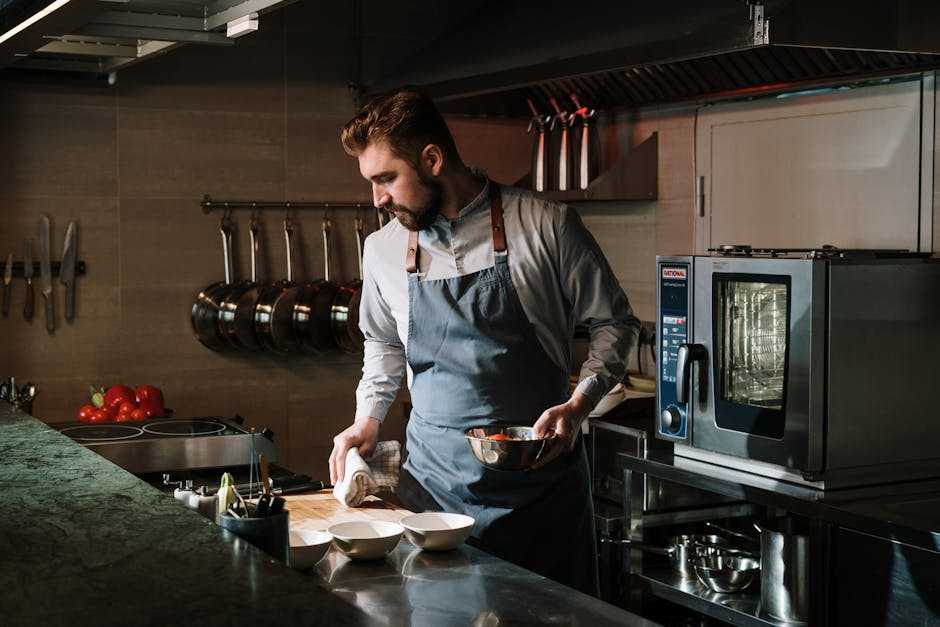
Cast iron shines when you use it right. Start with the classics: steak sears beautifully thanks to high, even heat. Cornbread comes out with a crispy edge and buttery middle that’s tough to beat. Shakshuka simmers gently without burning the bottom, and yes pizza in a cast iron pan delivers a serious crunchy crust with soft, chewy insides.
High acid foods like tomato based sauces or anything vinegary can wear down seasoning if you’re not careful. They’re fine now and then, especially in a well seasoned pan, but don’t let sauce sit in the pan for hours. Clean it out, dry it fast, and give your skillet a light wipe of oil when you’re done. That’ll keep you out of the rust zone.
Sticky or flaky foods like eggs, pancakes, and delicate fish are trickier. The secret here is temperature and seasoning. A well heated, properly seasoned pan turns eggs and pancakes from nightmares into smooth flips. Fish? Stick with skin on cuts and don’t move them too soon. Let the crust form, and they’ll release clean. It’s not magic. Just patience and practice.
Busting 2026’s Weird Cast Iron Myths
Let’s clear the air. First, rust isn’t the end of the world. It’s not pretty, but it’s not permanent either. A rusty pan just needs a little elbow grease scrub it down with steel wool, dry it out thoroughly, then re season it. Problem solved. People have been cooking on cast iron for over a century. Rust isn’t a death sentence; it’s just part of the journey.
Yes, cast iron works on induction cooktops. It’s heavy, magnetic, and sits flat three things induction burners love. You might want to lift instead of slide it to avoid scratching the glass, but technically, it’s a solid match.
And the grill? Cast iron was made for it. Open flames, high heat, zero fuss. You can sear steaks, bake cornbread, or even do crispy skinned fish right over the coals. Just be sure to oil it afterward and keep it dry. Treat it right, and cast iron will outlast your grill ten times over.
The Cast Iron Upgrade Path
If you’re just getting into cast iron, start with a skillet. Hands down. It’s the workhorse you’ll fry eggs, sear steaks, bake cornbread, maybe even flip pancakes if you’ve got the seasoning dialed in. A 10 to 12 inch skillet covers most daily needs. Dutch ovens are great too, but they’re heavier, more expensive, and better suited for slow braises and big batch meals. Get the skillet first. Add the Dutch oven when you’re feeling comfortable and want to go deeper.
The good news is cast iron isn’t frozen in time. Modern versions are getting smarter: lighter designs that won’t wreck your wrist, enameled models for low maintenance cooking (and zero seasoning stress), and even hybrid iterations that claim faster heat up with fewer hot spots. Just don’t assume all innovation is useful some are more gimmick than gain.
As for vintage vs. new, it’s less about age and more about quality. Older pans often have smoother cooking surfaces, and if you can score one in decent shape, it’s a keeper. But plenty of new brands are getting it right too. You want proper weight, even casting, and a cooking surface that won’t chip in your first month no matter how pretty the branding looks.
More cast iron tips you’ll actually use
Keep It Simple, Cook Like a Pro
If there’s one thing cast iron rewards, it’s consistency. You don’t need fancy techniques or eight step recipes. What matters is putting your pan to regular use. Use it daily, even for the basics frying an egg, heating leftovers, toasting a sandwich. With time, a good layer of seasoning builds up, and your pan becomes something close to nonstick (minus the chemicals).
There’s no shortcut here. The more you cook, the better your skillet performs. It’s a self reinforcing cycle: use leads to improvement, improvement makes you want to use it more. Simple.
What trips people up is getting too precious with it. Cast iron isn’t fragile. It’s not a museum piece. It’s a daily tool. Respect the core rules don’t soak it, dry it well, keep it oiled and it’ll outlast most things in your kitchen. Complexity creates hesitation. Skip it. Stick to the basics, and your pan will never fail you.
 Catherine Nelsonalds has opinions about food culture insights. Informed ones, backed by real experience — but opinions nonetheless, and they doesn't try to disguise them as neutral observation. They thinks a lot of what gets written about Food Culture Insights, Cooking Tips and Techniques, Gastronomic Inspirations is either too cautious to be useful or too confident to be credible, and they's work tends to sit deliberately in the space between those two failure modes.
Reading Catherine's pieces, you get the sense of someone who has thought about this stuff seriously and arrived at actual conclusions — not just collected a range of perspectives and declined to pick one. That can be uncomfortable when they lands on something you disagree with. It's also why the writing is worth engaging with. Catherine isn't interested in telling people what they want to hear. They is interested in telling them what they actually thinks, with enough reasoning behind it that you can push back if you want to. That kind of intellectual honesty is rarer than it should be.
What Catherine is best at is the moment when a familiar topic reveals something unexpected — when the conventional wisdom turns out to be slightly off, or when a small shift in framing changes everything. They finds those moments consistently, which is why they's work tends to generate real discussion rather than just passive agreement.
Catherine Nelsonalds has opinions about food culture insights. Informed ones, backed by real experience — but opinions nonetheless, and they doesn't try to disguise them as neutral observation. They thinks a lot of what gets written about Food Culture Insights, Cooking Tips and Techniques, Gastronomic Inspirations is either too cautious to be useful or too confident to be credible, and they's work tends to sit deliberately in the space between those two failure modes.
Reading Catherine's pieces, you get the sense of someone who has thought about this stuff seriously and arrived at actual conclusions — not just collected a range of perspectives and declined to pick one. That can be uncomfortable when they lands on something you disagree with. It's also why the writing is worth engaging with. Catherine isn't interested in telling people what they want to hear. They is interested in telling them what they actually thinks, with enough reasoning behind it that you can push back if you want to. That kind of intellectual honesty is rarer than it should be.
What Catherine is best at is the moment when a familiar topic reveals something unexpected — when the conventional wisdom turns out to be slightly off, or when a small shift in framing changes everything. They finds those moments consistently, which is why they's work tends to generate real discussion rather than just passive agreement.