

What Miso Actually Is
Miso is more than just a seasoning it’s a deeply rooted element of Japanese culinary tradition that’s made a global impact. Understanding what miso is starts with appreciating its origins and how it’s made.
A Fermented Staple
Miso is a fermented paste traditionally made from soybeans, salt, and koji (a fermentation starter made from grains like rice or barley).
Its fermentation process can range from a few months to several years, developing rich, complex flavors over time.
Centuries of Culinary History
Miso has been a vital part of Japanese cooking for over 1,000 years.
Historically used both as a source of flavor and essential nutrients, it remains a cornerstone of Japanese home cooking and temple cuisine to this day.
Beyond Soup: Everyday Uses
Miso isn’t just for miso soup. Its versatility makes it a powerful ingredient in a range of dishes:
Add to broths for depth and umami
Use in marinades, particularly with meats or tofu
Whisk into dressings for bold, savory flavor
Stir into sauces or glazes
Whether you’re aiming for traditional Japanese flavor or adding a twist to modern recipes, miso brings richness and balance you won’t get from salt or soy sauce alone.
Learn more in depth: miso explained
Key Types of Miso You Should Know
Miso isn’t one size fits all. The type you use can totally change the flavor of your dish. Here’s a breakdown to help you choose the right one.
White Miso (Shiro Miso)
This is the mellow, sweeter sibling of the miso world. It’s fermented for a shorter time, making it lighter in color and taste. If you’re easing into miso or making dressings, soups, or anything on the delicate side, white miso is the move. It plays well with citrus, vinegars, and light broths.
Red Miso (Aka Miso)
More intense, more fermented, and packed with umami. This is a deeper, saltier miso that holds its own in bold recipes. Use it in heartier fare think stews, braises, or rich sauces. It’s not shy, so let it anchor your dish.
Mixed Miso (Awase Miso)
Can’t decide? Awase miso is a smart middle ground a mix of red and white miso that offers balance and flexibility. It’s what many Japanese households stock regularly. Great choice if you want just one miso on hand for all purpose cooking.
Other Varieties
There’s more to the miso shelf than the main three. Barley miso has a nutty, earthy edge. Chickpea miso skips the soy altogether good news if you’re avoiding soy but still want the depth that fermentation brings. Try them if you’re after something different or dealing with dietary restrictions.
Why Miso Is Actually Good for You
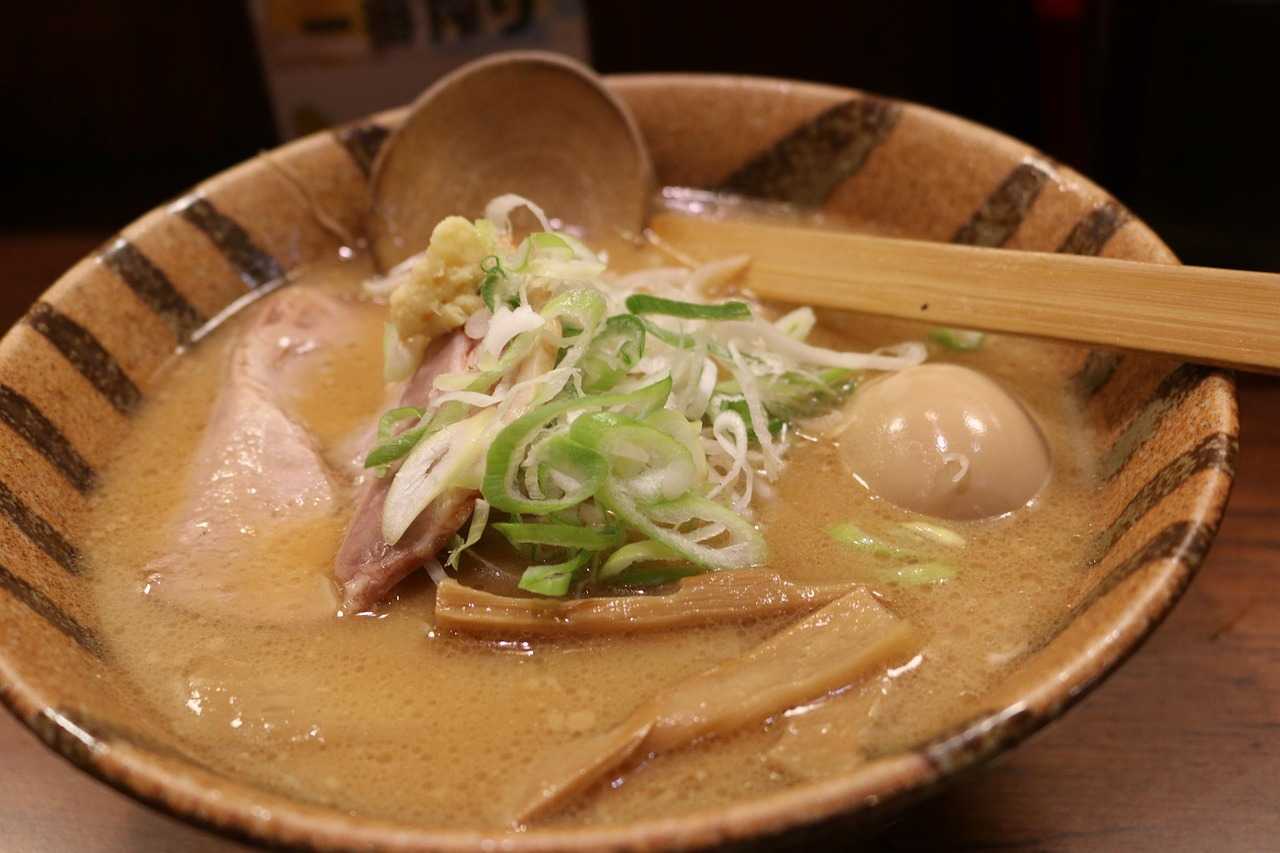
Miso isn’t just a flavor bomb it’s packed with real benefits your body can use. First off, it’s a natural source of probiotics, thanks to its fermentation process. That means better gut health, smoother digestion, and a stronger line of defense for your microbiome.
Beyond that, miso offers a decent hit of antioxidants and key minerals. You’re getting zinc to support immune function and manganese to help manage inflammation at a cellular level. It’s not magic, it’s just simple nutrition.
And for plant based eaters, here’s a win: miso contains complete protein. That means all nine essential amino acids in one hit, from soybeans. Not bad for what’s essentially a paste you stir into soup.
Wrap it all together and miso starts to look less like a condiment and more like a quiet powerhouse in your pantry.
Smart Ways to Use Miso in Modern Cooking
Miso is more versatile than it gets credit for. The classic approach? Start with a fast miso soup: hot water, a spoonful of miso, soft cubes of tofu, sliced scallions. It’s clean, simple, and full of umami.
But miso can go beyond the obvious. Stir it into softened butter and use that on roasted vegetables or a seared steak you’ll get rich, slightly funky depth without overpowering the main dish. It’s also a stealth move in salad dressings, where just a teaspoon can layer in that deep, savory backbone.
Beyond the basics, experiment. Stir it into soba or ramen noodles, swirl into grain bowls, blend into creamy dips. Some pros are even sneaking it into desserts think miso in caramel or chocolate for a salty sweet contrast that actually works.
One golden rule: never boil miso. High heat kills the live probiotics that make miso good for your gut. Add it after cooking, once things cool a bit, and you’ll keep the flavor and the benefits.
For more on how this powerhouse paste works across dishes, check out the full ingredient guide here: miso explained.
Final Word: Miso in 2026
Miso isn’t going anywhere. What used to be a niche item tucked away on an international aisle has become a staple for home cooks and pros alike. It’s on the shelves, in the pantry, and in the daily rotation simple, reliable, and full of flavor.
But what’s new is where it’s going. We’re seeing miso show up in unexpected places: rye miso from Berlin, sunflower seed miso from Oregon, even wine barrel aged batches from Latin America. Local makers around the world are taking the traditional fermentation process and adapting it to their own ingredients and techniques. It’s miso with a regional accent and people are hungry for it.
There’s also a boom in interest from health conscious eaters. Miso checks the boxes: gut friendly probiotics, plant based protein, no weird additives. For anyone leaning into more functional foods, it just makes sense. It adds deep flavor, it lasts forever in the fridge, and it makes plants taste a whole lot better. In short: miso is sticking around, and it’s only getting more interesting.
 Jorveth Mornvale is the kind of writer who genuinely cannot publish something without checking it twice. Maybe three times. They came to food culture insights through years of hands-on work rather than theory, which means the things they writes about — Food Culture Insights, Ingredient Spotlights, Cooking Tips and Techniques, among other areas — are things they has actually tested, questioned, and revised opinions on more than once.
That shows in the work. Jorveth's pieces tend to go a level deeper than most. Not in a way that becomes unreadable, but in a way that makes you realize you'd been missing something important. They has a habit of finding the detail that everybody else glosses over and making it the center of the story — which sounds simple, but takes a rare combination of curiosity and patience to pull off consistently. The writing never feels rushed. It feels like someone who sat with the subject long enough to actually understand it.
Outside of specific topics, what Jorveth cares about most is whether the reader walks away with something useful. Not impressed. Not entertained. Useful. That's a harder bar to clear than it sounds, and they clears it more often than not — which is why readers tend to remember Jorveth's articles long after they've forgotten the headline.
Jorveth Mornvale is the kind of writer who genuinely cannot publish something without checking it twice. Maybe three times. They came to food culture insights through years of hands-on work rather than theory, which means the things they writes about — Food Culture Insights, Ingredient Spotlights, Cooking Tips and Techniques, among other areas — are things they has actually tested, questioned, and revised opinions on more than once.
That shows in the work. Jorveth's pieces tend to go a level deeper than most. Not in a way that becomes unreadable, but in a way that makes you realize you'd been missing something important. They has a habit of finding the detail that everybody else glosses over and making it the center of the story — which sounds simple, but takes a rare combination of curiosity and patience to pull off consistently. The writing never feels rushed. It feels like someone who sat with the subject long enough to actually understand it.
Outside of specific topics, what Jorveth cares about most is whether the reader walks away with something useful. Not impressed. Not entertained. Useful. That's a harder bar to clear than it sounds, and they clears it more often than not — which is why readers tend to remember Jorveth's articles long after they've forgotten the headline.