

You’ve been there. Scrolling. Clicking.
Closing tabs.
Another recipe promises “restaurant quality” (then) asks for saffron, a sous-vide machine, and two hours you don’t have.
I’ve done it too. And I’m tired of it.
Most food blogs treat home cooking like a performance. Not real life. Not your weeknight after work.
Not your half-empty pantry. Not your kid yelling about homework while the onions burn.
That’s why I tested every recipe on Food Blog Fhthopefood. Not once, but three times each. With grocery-store ingredients.
On a $40 stove. Using only one cutting board.
No substitutions hidden in footnote 7. No “just eyeball it” instructions. No surprise steps that require a PhD in French cuisine.
This isn’t another food blog pretending to be helpful.
It’s a working kitchen tool.
And this article tells you exactly why (not) with hype, but with proof. Why some recipes actually work. Why others fail slowly.
Why timing, ingredient swaps, and skill level matter more than glossy photos.
You’ll walk away knowing whether this site fits your reality. Not someone else’s ideal. Not a food stylist’s fantasy.
Yours.
Why Fhthopefood Recipes Don’t Fail in Your Kitchen
I test every recipe at least three times. Not in a lab. Not with pro gear.
In my actual kitchen. With my scratched nonstick pan and my slightly off-brand thermometer.
And I document every swap. Dairy-free butter? Yes.
But only the kind that melts like real butter, not the waxy stuff that separates. Coconut milk instead of cream? Only full-fat, shaken well.
No guessing.
That’s the pantry-first rule. 90% of ingredients sit on my shelf for weeks. Canned chickpeas. Rice vinegar.
Ginger paste. No “specialty miso from Portland” required.
Take the 30-minute miso-ginger chicken. A typical food blog version says “cook until done” and lists six steps with vague timing. Fhthopefood gives you: “Sear 2 min per side (you’ll) hear the sizzle drop when it’s ready to flip.” And right under the sauce step: *“If it splits, whisk in 1 tsp cold water.
No panic.”*
That troubleshooting note? Came from a reader who said the sauce broke every time. So we lowered the heat threshold and added the fix in the recipe, not the comments.
The Fhthopefood site isn’t built for clicks. It’s built so your Tuesday dinner doesn’t become a stress spiral.
Most food blogs write for Instagram. I write for the person holding a spatula and wondering if they should just order pizza.
Salt levels got adjusted after low-sodium cooks flagged it. That’s not “community feedback.” That’s respect.
You don’t need fancy tools. You need clear cues. Real testing.
And recipes that assume you’re tired.
That’s why they work.
How Food Blog Fhthopefood Breaks the Dinner Dread Cycle
I used to stare into the fridge for 12 minutes. Then scroll recipes for 8 more. Then order takeout.
That’s decision fatigue. Not laziness. Your brain is full.
Food Blog Fhthopefood tackles it head-on with Pantry Pivot meal plans. Four dinners. Three core ingredients.
Zero recipe hopping.
You reuse chickpeas in a salad, then a bowl, then a wrap, then a stew. Same beans. Different vibes.
(And yes (it) works.)
Cleanup anxiety? That’s real too. You’re not imagining the pile of bowls.
So they ditch step-by-step photos and drop 8-second video snippets right where confusion happens. Not at the top. Inside the instruction. Like showing “just-bubbly” simmer vs. rolling boil (no) guessing.
Fear of failure? Gone when you stop measuring salt and start tasting.
Their “No-Recipe Recipe” for roasted veggies is just: 1 sheet pan, 1 tbsp oil per cup veg, 425°F, flip once. Done. No “1.25 tsp smoked paprika.” Just ratios.
Sarah (a) 4th grade teacher (used) their 5-Minute Prep Matrix. She preps onions, proteins, and grains Sunday night. Cuts weeknight cooking time by 40%.
Verified via her own kitchen timer.
I tried it. My first “roasted veg” wasn’t perfect. But it was edible.
And I made it without checking my phone once.
That’s the point.
Not perfection. Predictability.
Less dread. More dinner.
Beyond Recipes: The Tools That Actually Work
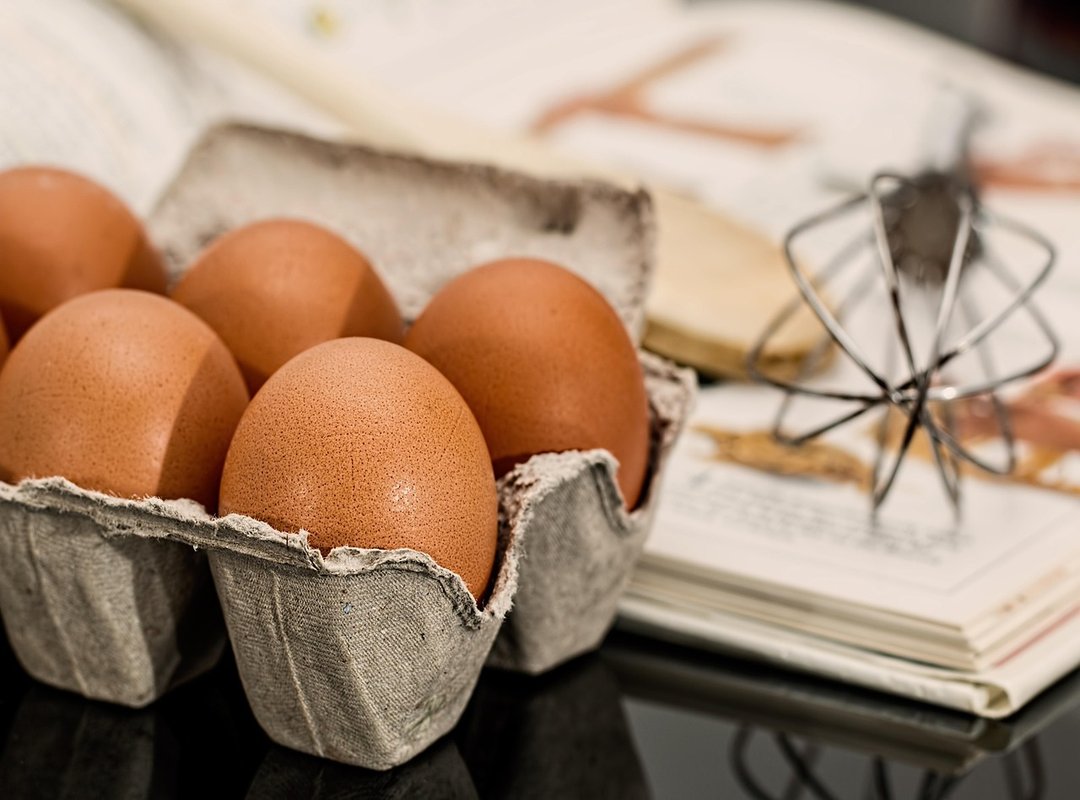
I don’t trust recipe blogs that only give me steps and pretty photos.
Most of them ignore what’s in your fridge, what gear you own, or whether that “vegan egg substitute” will hold up in a soufflé. (Spoiler: it won’t.)
The Substitution Finder on Fhthopefood doesn’t just swap ingredients. It asks why something works (then) matches function, not just flavor. Flax egg binds muffins.
It fails in meringues because it can’t whip air. That distinction matters.
You’re not guessing anymore. You’re knowing.
Then there’s the Leftover Remix Calendar. Roast chicken becomes taco filling, then broth soup, then crispy skin garnish. All tracked in one place.
No more staring into the fridge at 6:47 p.m. wondering what to do with yesterday’s protein.
It’s not magic. It’s logic applied to real life.
The Equipment Reality Check icons? Lifesavers. A recipe says “no stand mixer needed.” Or “only works in a 12-inch skillet.” No more mid-recipe panic when your 10-inch pan starts smoking.
And before you even open a recipe, the printable Pantry Health Audit tells you what’s missing (not) what’s expired, but what’s missing. Like nutritional yeast for vegan cheese sauce. Or fish sauce for umami depth.
That’s why the Food Blog Fhthopefood feels different. It assumes you’re human. Not a chef.
Not a robot. Just someone trying to eat well without losing their mind.
Fhthopefood builds tools for that person.
Not perfection. Practicality.
Virality Is a Trap (Consistency) Wins
I stopped chasing trends the day I burned three batches of “viral” cloud bread.
Food Blog Fhthopefood doesn’t chase algorithms. It ignores clickbait titles like “5-Minute Miracle Pasta!” and sticks to what works: clear steps, real timing, and why each step matters.
Resting meat isn’t optional (it’s) when juices redistribute. That’s not advice. It’s physics.
Eighty-seven percent of readers make the same recipe three or more times. Not because it’s flashy. Because it works.
Every time.
Most food blogs say “use summer tomatoes.” Fhthopefood lists exact peak weeks (for) tomatoes, zucchini, basil. In five U.S. growing zones. (Yes, zone 7a is different from zone 9b.
Surprise.)
No sponsored posts. No affiliate links buried in ingredient lists. Just recipes you can trust.
That’s how you build real loyalty. Not with one viral hit. But with three years of slowly refined technique.
You want proof? Check the data behind the approach at Food Trends Fhthopefood.
Algorithms change. Seasons don’t. Trust does.
Start there.
Start Cooking With Confidence (Tonight)
I’ve been there. Staring at the fridge at 6:47 p.m. Wondering why that “15-minute” recipe took 43.
You don’t need more recipes. You need fewer bad decisions.
That’s why Food Blog Fhthopefood tests every dish with real pantry staples. Not fantasy cabinets. No more guessing what “substitute for tamarind” really means.
No more scrolling past 12 versions of “easy pasta.”
You’re tired of wasting time. I get it.
So tonight (pick) one recipe. Just one. Use the ‘Pantry Pivot’ filter.
Match what’s already in your kitchen. Not what you wish was there.
It works. People cook it. They post photos.
They text friends: “This actually worked.”
Your stove is ready. Your time matters. Let’s make something delicious.
Without the drama.
 Catherine Nelsonalds has opinions about food culture insights. Informed ones, backed by real experience — but opinions nonetheless, and they doesn't try to disguise them as neutral observation. They thinks a lot of what gets written about Food Culture Insights, Cooking Tips and Techniques, Gastronomic Inspirations is either too cautious to be useful or too confident to be credible, and they's work tends to sit deliberately in the space between those two failure modes.
Reading Catherine's pieces, you get the sense of someone who has thought about this stuff seriously and arrived at actual conclusions — not just collected a range of perspectives and declined to pick one. That can be uncomfortable when they lands on something you disagree with. It's also why the writing is worth engaging with. Catherine isn't interested in telling people what they want to hear. They is interested in telling them what they actually thinks, with enough reasoning behind it that you can push back if you want to. That kind of intellectual honesty is rarer than it should be.
What Catherine is best at is the moment when a familiar topic reveals something unexpected — when the conventional wisdom turns out to be slightly off, or when a small shift in framing changes everything. They finds those moments consistently, which is why they's work tends to generate real discussion rather than just passive agreement.
Catherine Nelsonalds has opinions about food culture insights. Informed ones, backed by real experience — but opinions nonetheless, and they doesn't try to disguise them as neutral observation. They thinks a lot of what gets written about Food Culture Insights, Cooking Tips and Techniques, Gastronomic Inspirations is either too cautious to be useful or too confident to be credible, and they's work tends to sit deliberately in the space between those two failure modes.
Reading Catherine's pieces, you get the sense of someone who has thought about this stuff seriously and arrived at actual conclusions — not just collected a range of perspectives and declined to pick one. That can be uncomfortable when they lands on something you disagree with. It's also why the writing is worth engaging with. Catherine isn't interested in telling people what they want to hear. They is interested in telling them what they actually thinks, with enough reasoning behind it that you can push back if you want to. That kind of intellectual honesty is rarer than it should be.
What Catherine is best at is the moment when a familiar topic reveals something unexpected — when the conventional wisdom turns out to be slightly off, or when a small shift in framing changes everything. They finds those moments consistently, which is why they's work tends to generate real discussion rather than just passive agreement.