

Smarter Kitchens, Smarter Cooking
Forget guesswork. AI is rewriting how precision works in the kitchen. Whether you’re baking or grilling, today’s smart appliances use machine learning to control measurements, timing, and temperatures with near perfect accuracy. Recipes no longer rely on your best estimate of ‘medium heat’ your oven or stovetop now adjusts automatically based on the food inside and the result you’re aiming for.
What’s more, these devices aren’t static. Your smart kitchen is starting to learn you: how long you like your eggs boiled, how spicy your curry usually runs, and when you typically start prepping dinner. Little by little, it adapts, streamlining routines and shaving off errors that used to come with manual cooking.
Real time monitoring tech adds another layer especially when it comes to food safety and quality. Sensors can track internal temperatures, alert you if something’s undercooked, or even flag a possible contamination risk. Consistency goes up, waste goes down, and the cooking process gets smarter every time you lift the lid.
This isn’t just about luxury cooktops or tech savvy chefs. It’s about turning good habits into standard practice and letting AI take over the parts you never enjoyed doing manually in the first place.
Personalized Meal Planning
Personalization is no longer just a nice to have it’s baked into the core of how we eat. AI driven meal planning apps are now smart enough to handle real dietary restrictions, nutritional goals, and even flavor profiles without skipping a beat. Whether someone’s keto, vegan, allergic to shellfish, or just hates cilantro, the algorithm adjusts. No more bland defaults or one size fits all recipes.
These tools don’t stop at recommendations. They sync with wearables think smartwatches and fitness trackers to get real time health data like calorie burn, sleep patterns, or hydration levels. The result? A live feedback loop between body, plate, and kitchen. You’re not just eating healthier; you’re eating smarter.
And for anyone trying to cut back on waste, these systems shine. Weekly shopping lists are built from exact portions, based on what you actually use and eat. No more spinach bags going soggy in the back of the fridge. Fewer impulse buys. Just tight, intentional grocery trips that tie directly back to meals you’ll actually cook.
Learn more: AI in culinary world
Revolutionizing Recipe Development
Great chefs have always combined instinct, experience, and experimentation. Now they’re adding algorithms to the mix. The fusion of culinary intuition with AI’s pattern recognition is opening up surprising new territory think beetroot lavender ice cream or soy caramel vinaigrette that actually works. AI doesn’t taste, but it does analyze flavor profiles, ingredient pairings, and chemical compatibilities across massive datasets faster than any test kitchen ever could.
In both startups and high end restaurants, AI is becoming a silent creative partner. Instead of months of trial and error, chefs can generate a dozen viable concepts in a day. Some use neural networks trained on global cuisines to spark fresh mashups; others feed the system house specific inventory or regional produce data to make hyper local menu ideas. What they’re chasing isn’t novelty for novelty’s sake it’s depth and precision that connects flavor with story.
The process isn’t robotic. It still demands the chef’s hand, palate, and point of view. But in this new world, speed doesn’t kill craft it accelerates it. AI just gives chefs the raw clay a lot faster. The art is still in how they shape it.
Training the Next Gen of Chefs
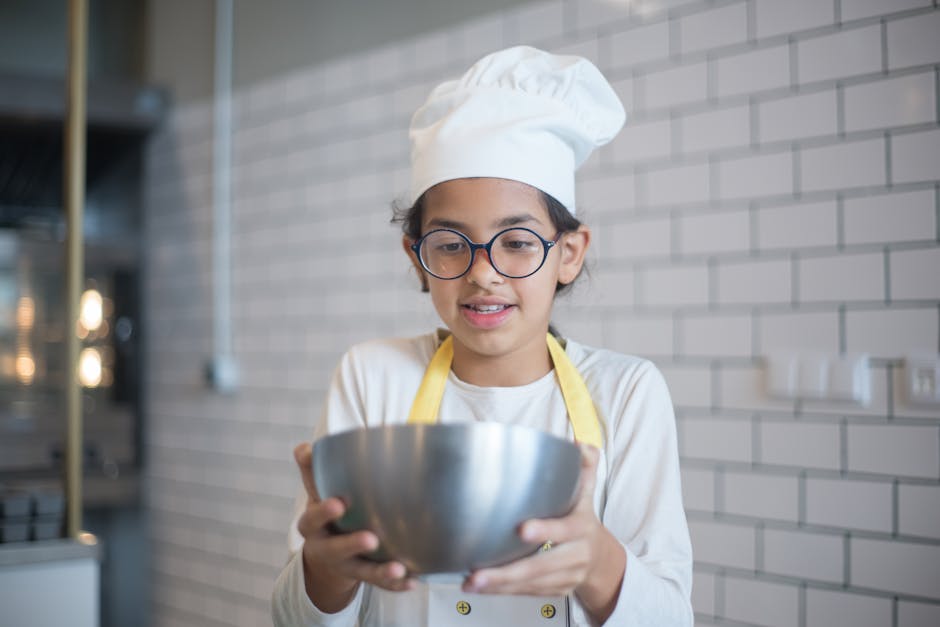
Today’s culinary classrooms look a lot different than they did a decade ago. Virtual reality and AI powered tools are turning the kitchen into a hands on, immersive lab even when you’re not physically in one. Students can rehearse knife skills in VR, simulate high stress dinner rushes, or troubleshoot complex recipes without wasting ingredients. It’s not about flashy tech it’s about practical repetition at scale.
The big shift? Culinary education is finally listening to feedback not just from instructors, but from diners. Platforms are crunching customer reviews and behavioral data to patch weak spots in training. If people say a restaurant’s plating is sloppy or a sauce is consistently overseasoned, schools adjust. Instructional content evolves in near real time, backed by data instead of hearsay.
AI is also taking the guesswork out of scaling. Whether a student is prepping a single plated dish or mapping out a banquet service for 200, smart systems now auto adjust ingredient ratios, prep times, and even technique suggestions based on skill level. It’s teaching that adapts not just lectures, but a kitchen that listens, learns, and guides every step of the way.
The Business Backbone
Behind the scenes, AI is doing the heavy lifting. In supply chain and inventory management, it’s streamlining restocks and cutting waste. Sensors track stock levels in real time, and algorithms predict what will run low before it actually does. This means fewer surprise shortages and less spoilage sitting in the back.
Restaurants are also using AI to set prices dynamically. Ingredients go up? Menu adjusts. Customer demand spikes on weekends? Pricing reflects it. It’s not about squeezing customers it’s about running lean and responsive. For places with thin margins, this matters.
Lastly, predictive analytics is giving operators a real edge. AI sifts through sales history, weather patterns, local events, and seasonal shifts to tell you what people will want next Tuesday before they even know it. It’s chess, not checkers.
More insights here: AI in culinary world
Not Without Caution
AI may be cutting down prep time and driving efficiency in the kitchen, but it’s not all upside. Behind the sleek tech is a workforce already stretched. Repetitive kitchen roles think chopping, sorting, inventory tracking are at the highest risk of being automated. Restaurants and food chains chasing bottom lines will be tempted to replace people with machines wherever possible.
But flavor isn’t math. Creativity doesn’t come from an algorithm. The soul of cooking is still deeply human. People connect with food stories, seasonal memories, and passion on the plate. That’s something no AI, no matter how well it maps a recipe, can replicate.
The data side raises new questions too. AI needs input to learn lots of it. That includes user behavior, shopping habits, dietary patterns, even biometric info from wearables. Without regulation or clear boundaries, transparency gets murky fast. Who owns this data? How is it being used or sold?
The future of food should be built with both integrity and intention. Automation has its place, but not at the cost of community, culture, or trust in the kitchen.
Final Take
AI hasn’t come to steal the chef’s hat it’s here to sharpen the knife. In 2026, kitchens that ignore intelligent tools are already a step behind. Whether you’re running a pop up ramen spot or managing a hotel’s banquet line, the game now includes AI. It’s not about replacing instinct or gut feeling in the kitchen it’s about scaling precision, cutting down waste, and making better calls faster.
Home cooks are using AI to balance macros on the fly. Restaurant owners are leaning on demand predictions to adjust menus before ingredients spoil. Even culinary students are learning technique through simulated environments that adapt to their skill and speed.
This isn’t tech for the sake of tech. It’s adaptation for survival and if you wield it right, for excellence. The edge belongs to those who stay curious, stay human, and bring the best of both worlds into the kitchen.
 Jorveth Mornvale is the kind of writer who genuinely cannot publish something without checking it twice. Maybe three times. They came to food culture insights through years of hands-on work rather than theory, which means the things they writes about — Food Culture Insights, Ingredient Spotlights, Cooking Tips and Techniques, among other areas — are things they has actually tested, questioned, and revised opinions on more than once.
That shows in the work. Jorveth's pieces tend to go a level deeper than most. Not in a way that becomes unreadable, but in a way that makes you realize you'd been missing something important. They has a habit of finding the detail that everybody else glosses over and making it the center of the story — which sounds simple, but takes a rare combination of curiosity and patience to pull off consistently. The writing never feels rushed. It feels like someone who sat with the subject long enough to actually understand it.
Outside of specific topics, what Jorveth cares about most is whether the reader walks away with something useful. Not impressed. Not entertained. Useful. That's a harder bar to clear than it sounds, and they clears it more often than not — which is why readers tend to remember Jorveth's articles long after they've forgotten the headline.
Jorveth Mornvale is the kind of writer who genuinely cannot publish something without checking it twice. Maybe three times. They came to food culture insights through years of hands-on work rather than theory, which means the things they writes about — Food Culture Insights, Ingredient Spotlights, Cooking Tips and Techniques, among other areas — are things they has actually tested, questioned, and revised opinions on more than once.
That shows in the work. Jorveth's pieces tend to go a level deeper than most. Not in a way that becomes unreadable, but in a way that makes you realize you'd been missing something important. They has a habit of finding the detail that everybody else glosses over and making it the center of the story — which sounds simple, but takes a rare combination of curiosity and patience to pull off consistently. The writing never feels rushed. It feels like someone who sat with the subject long enough to actually understand it.
Outside of specific topics, what Jorveth cares about most is whether the reader walks away with something useful. Not impressed. Not entertained. Useful. That's a harder bar to clear than it sounds, and they clears it more often than not — which is why readers tend to remember Jorveth's articles long after they've forgotten the headline.