

A World of Flavors, on Every Plate
Migration isn’t just a matter of people moving it’s also flavors crossing borders, techniques traveling continents, and recipes evolving in real time. Over centuries, global culinary habits have been quietly but powerfully rewritten. What was once considered regional is now just dinner. West African seasonings show up in Southern American kitchens. Persian herbs thrive in Berlin. Chile paste made its way from Thai villages to London food trucks.
By 2026, the fusion isn’t experimental it’s routine. Ingredients long siloed by geography are now co stars in everyday cooking. It’s not rare to see tamarind meet tahini in a glossy food blog recipe or turmeric folded into a pasta dough demo on TikTok. The how of cooking is shifting too ancestral techniques like fermentation or slow mortar and pestle grinds are being merged with high speed blenders and sous vide gadgets. Old meets new, east meets west, and the kitchen becomes a meeting ground.
More importantly, migration is changing not just what we eat, but how we eat. Dining is more communal, more curious, more open to variation. Shared plates, layered histories, and meals that tell stories are drawing people back to the table. Whether it’s a fourth generation Korean American vlogger rediscovering family recipes, or a Syrian baker shaping new traditions in Toronto, food today is memory in motion and the motion hasn’t slowed.
Spices, Survival, and Shared Plates
Migration has long been a vessel for flavor. Through shifting borders, sea voyages, forced movements, and voluntary journeys, people have carried more than just memories they’ve brought seeds, spices, and techniques that reshaped the diets of nations.
The Spice Routes: How Trade Spread Taste
Centuries before globalization, trade routes connected distant corners of the world in a complex exchange of goods and flavors.
The Silk Road brought Chinese noodles westward and welcomed Middle Eastern spices eastward
Maritime spice routes introduced black pepper, cinnamon, turmeric, and cloves to Europe and beyond
Colonial expansions accelerated the movement of ingredients, for better and worse, embedding them in local cuisines
With every shipment of spices or grains, the culinary map of the world was redrawn.
Food as Identity in Times of Displacement
Migration doesn’t always come by choice. Forced displacement due to war, famine, or persecution has tested the limits of cultural preservation. In these moments, food often becomes a powerful anchor.
Refugees and diasporic communities rely on family recipes to maintain a sense of home
Cooking becomes ritual an act of resilience, not just nourishment
Shared meals offer comfort in unfamiliar lands, turning neighbors into extended family
Even with limited access to familiar ingredients, communities adapt traditional dishes with local substitutes, creating new versions while honoring the past.
Refugee Led Kitchens: Models of Resilience
In recent years, a surge of refugee led culinary ventures has emerged in cities around the globe refugees not only surviving, but thriving through food.
Pop up kitchens, catering services, and community food hubs offer immigrant chefs a platform to share their stories
These ventures challenge negative narratives associated with migration by putting culture and flavor at the forefront
They also teach host communities about flexibility, fusion, and what it means to adapt while staying rooted
From centuries old spice routes to today’s refugee led food movements, migration continues to shape how we eat not just through ingredients, but in the spirit of adaptability, identity, and shared humanity.
Culinary Hybrids: The New Normal
Walk down any major city street in 2026 and you’ll likely spot food that didn’t exist just ten years ago. Birria ramen. Curry bratwurst. Sushi burritos. These are the new staples of urban life dishes shaped by migration, identity, and sheer culinary improvisation. Welcome to the world of third culture cooking.
This wave isn’t about watered down fusion. It’s about reclaiming and remaking, often by people who grew up with more than one cultural home. Their plates reflect that complexity familiar to none but meaningful to many. It’s a style born from diaspora kitchens, where kids merge mom’s flavors with what they picked up at school lunch or corner stores.
But with innovation comes responsibility. The line between reinvention and appropriation isn’t always clear. The difference often comes down to context, credit, and care. Are the origins acknowledged? Are the communities who created these flavors benefiting from their popularity? In a world that celebrates global tastes, respecting their roots matters more than ever.
Third culture cooking is the new normal, especially in cities. It connects generations, cultures, and taste buds in one bite. When done thoughtfully, it’s not just good food it’s good storytelling.
Kitchens as Cultural Archives
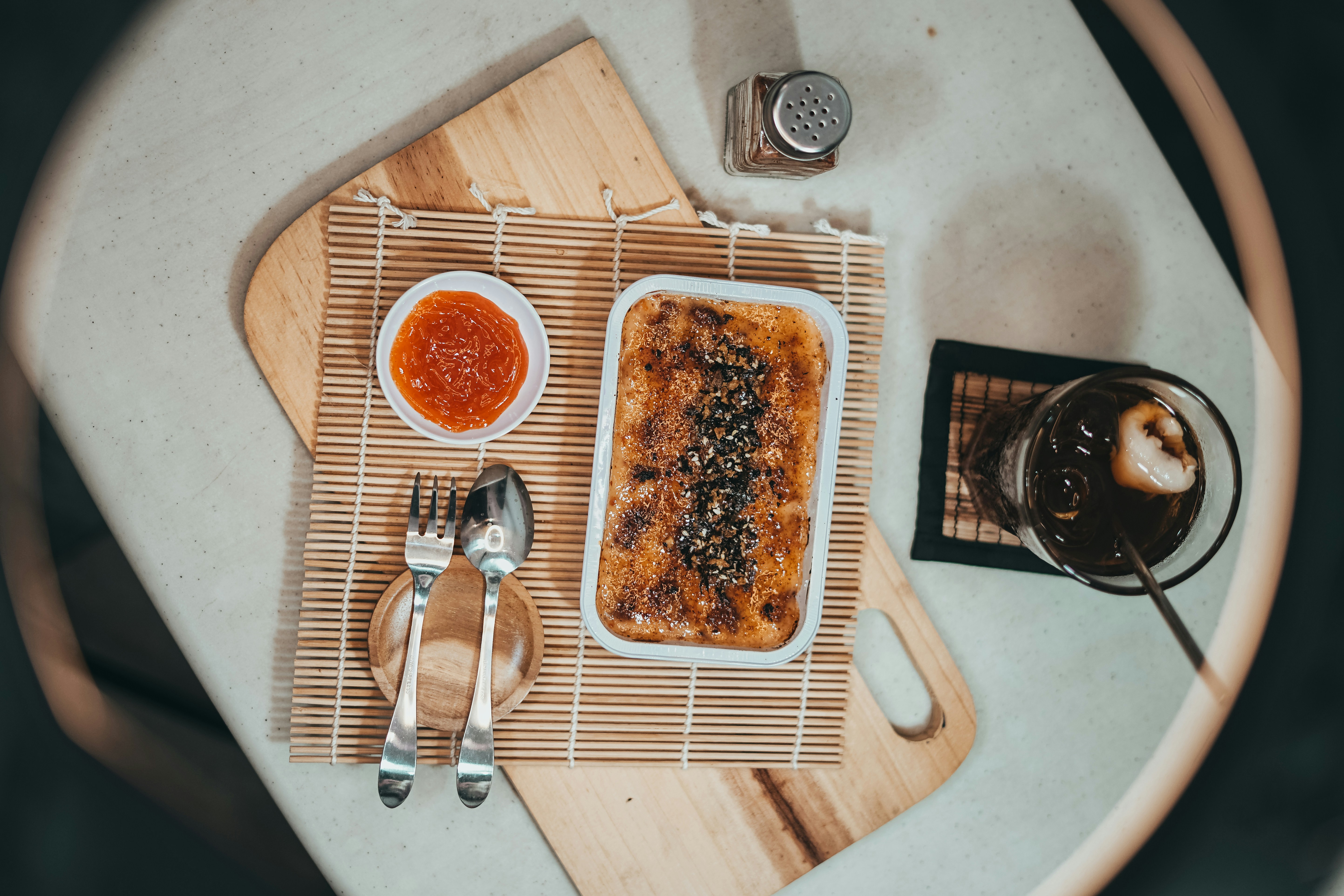
Cultural memory doesn’t just live in books or museums. It simmers in kitchens, gets passed around at family dinners, and fills the late night air at street market stalls. Whether it’s a grandmother’s handwritten recipe kept in plastic wrap or a dish served from a pop up on a city corner, food is one of the oldest and most persistent forms of storytelling.
For many second and third generation migrants, recipes are time machines. Even if they were born oceans away from their ancestral lands, the act of cooking or even smelling certain dishes becomes a way to reclaim identity. It’s not just the food; it’s how it’s made, who it’s made for, and the rituals around the table. Some vlog their family recipes to preserve them. Others open restaurants that quietly rewrite the immigrant story without needing a single word.
Food is also soft power. Flavor can do what lectures can’t: disarm people, open doors, change minds. A single, well cooked dish from an unfamiliar place has the ability to flip assumptions and build bridges that last longer than a viral headline. Behind every bite, there’s a history of movement, memory, and meaning served without the need for explanation.
Technology, Travel, and Borderless Palates
The kitchen isn’t local anymore it’s global and often digital. In 2026, live streamed cooking classes are drawing students from Lagos to Lisbon, all learning how to fold dumplings or master spice layering from chefs they may never meet in person. Platforms like Airsubs, Eatwith, and even Twitch have opened new lanes for home cooks and professionals alike to teach, share, and build communities in real time across continents.
Then there’s the app layer. Translation tools eliminate language barriers during recipe walkthroughs. Grocery delivery services now carry specialty ingredients once limited to specific diaspora neighborhoods. You want Sri Lankan curry leaves in Copenhagen or gochujang in Cape Town? Tap, swipe, done. The friction that once defined cross cultural cooking has dropped dramatically.
Digital nomads are playing a unique role here. Roaming from Bali to Berlin, they document what they eat, who they meet, and how food serves as both icebreaker and anchor. Their vlogs and reviews turn obscure food trucks into go to spots, help small fusion eateries go viral, and influence how cultures intersect on the plate. They’re not just eating across borders they’re flattening them.
Changing Food Policies and Migration in 2026
Migration isn’t just reshaping what we eat it’s altering the very systems that grow, prepare, and serve our food. Behind every plate, there are policies, labor struggles, and evolving global standards that influence how food gets to the table.
The Migrant Workforce Behind Our Meals
From planting seeds to washing dishes, migrants play a foundational role in every stage of the global food system. In many countries, agricultural and restaurant industries rely heavily on migrant labor to keep operations running.
Migrant workers make up a significant portion of seasonal agricultural labor across the Americas, Europe, and Asia
In the U.S. alone, it’s estimated that over 70% of farmworkers are migrants or foreign born
Migrants often fill crucial roles in kitchens from prep and line cooks to full time chefs especially in urban centers
These jobs, while essential, often come with limited protections, inconsistent pay practices, and legal vulnerabilities.
Immigration Laws: A Growing Pressure Point
Immigration policies shape more than just borders they determine who gets to work, where, and under what conditions. For industries dependent on international workers, shifting laws can be deeply disruptive.
Stricter visa regulations have led to labor shortages in restaurants and farms, slowing food production chains
In some regions, food businesses face penalties or closure due to hiring restrictions or documentation audits
Legal uncertainty often discourages long term employment, causing higher turnover and reduced culinary innovation
Toward a More Sustainable and Equitable System
As discussions around sustainability deepen, more attention is being paid to how migrant communities are intertwined with ethical food production. Their labor, often underacknowledged, is essential to supply chains pushing for transparency and ecological responsibility.
Community supported agriculture (CSA) models are increasingly run by or in partnership with migrant farmers
Some food co ops and ethical supply chains prioritize fair labor practices, sourcing ingredients from farms with migrant protections in place
Consumer awareness is rising: menus and labels now more frequently disclose sourcing stories, including the people behind the food
Looking Ahead
For food to become truly sustainable, the people who produce and serve it can’t be treated as invisible. Food policy reform in 2026 is increasingly recognizing the contributions of migrant communities blending economic reality with social responsibility. As our palettes grow more global, so must our policies.
Learn More
Want to Go Deeper?
Migration and food are deeply intertwined, shaping not just regional tastes but global identities. If you’re looking to understand the broader historical, cultural, and political impacts of human movement on what we eat, these resources are essential reading.
Recommended Resources:
How Global Migration Has Influenced Modern Cuisine
Explore how migration has driven culinary creativity, global taste trends, and the evolution of national dishes.
How Global Migration Has Influenced Modern Cuisine
A closer look at culinary innovation through the lens of displaced communities and cross border exchanges.
These reads offer insights into the flavors shaping our future and the stories behind them.
 Ask Vickyette Schwarz how they got into food culture insights and you'll probably get a longer answer than you expected. The short version: Vickyette started doing it, got genuinely hooked, and at some point realized they had accumulated enough hard-won knowledge that it would be a waste not to share it. So they started writing.
What makes Vickyette worth reading is that they skips the obvious stuff. Nobody needs another surface-level take on Food Culture Insights, Culinary Trends and News, Cooking Tips and Techniques. What readers actually want is the nuance — the part that only becomes clear after you've made a few mistakes and figured out why. That's the territory Vickyette operates in. The writing is direct, occasionally blunt, and always built around what's actually true rather than what sounds good in an article. They has little patience for filler, which means they's pieces tend to be denser with real information than the average post on the same subject.
Vickyette doesn't write to impress anyone. They writes because they has things to say that they genuinely thinks people should hear. That motivation — basic as it sounds — produces something noticeably different from content written for clicks or word count. Readers pick up on it. The comments on Vickyette's work tend to reflect that.
Ask Vickyette Schwarz how they got into food culture insights and you'll probably get a longer answer than you expected. The short version: Vickyette started doing it, got genuinely hooked, and at some point realized they had accumulated enough hard-won knowledge that it would be a waste not to share it. So they started writing.
What makes Vickyette worth reading is that they skips the obvious stuff. Nobody needs another surface-level take on Food Culture Insights, Culinary Trends and News, Cooking Tips and Techniques. What readers actually want is the nuance — the part that only becomes clear after you've made a few mistakes and figured out why. That's the territory Vickyette operates in. The writing is direct, occasionally blunt, and always built around what's actually true rather than what sounds good in an article. They has little patience for filler, which means they's pieces tend to be denser with real information than the average post on the same subject.
Vickyette doesn't write to impress anyone. They writes because they has things to say that they genuinely thinks people should hear. That motivation — basic as it sounds — produces something noticeably different from content written for clicks or word count. Readers pick up on it. The comments on Vickyette's work tend to reflect that.