

You’re standing in front of the fridge at 6:47 p.m.
Hungry. Tired. Done.
You don’t want takeout. You don’t want to stare at a recipe that needs five spices you’ve never heard of.
I’ve been there. More times than I’ll admit.
This isn’t another “gourmet weeknight dinner” fantasy. No fancy tools. No obscure ingredients.
No chef’s degree required.
These Jalbiteworldfood Easy Recipes bridge bold global flavors with true kitchen accessibility.
Every idea here has been cooked. Timed. Adjusted.
Tested on real people after real workdays.
Not once. Not twice. Hundreds of times.
I threw out anything that took more than 35 minutes start-to-table. Or needed a trip to three different stores.
What’s left? Five flexible frameworks. Not rigid recipes.
You mix. You match. You use what’s already in your pantry.
No gatekeeping. No jargon. Just food that tastes like somewhere else.
But cooks like home.
You’ll learn how to build flavor fast. How to swap proteins without wrecking the dish. How to stretch leftovers into something new.
Without thinking about it.
This is cooking that fits your life. Not the other way around.
The 15-Minute Pan-Global Base Formula
I cook this way every week. Not because I’m fancy (because) it works.
This guide is where I started learning how to build meals without recipes. You pick one aromatic base. Ginger-garlic.
Onion-tomato. Lemongrass-coconut. That’s step one.
No more than three ingredients. No exceptions.
Then you add one protein or plant-based swap. Tofu. Chickpeas.
Ground turkey. That’s step two. Cook it just long enough to brown, not dry out.
Finish with one signature accent. Fish sauce. Gochujang.
Za’atar. Lime zest. One minute max.
Heat wakes it up.
Sauté base: 2. 3 minutes. Cook protein: 4. 6 minutes. Finish: 1 minute.
Total: 15 minutes. Clock it. You’ll believe it.
Korean scallion-tofu stir-fry uses ginger-garlic, tofu, and gochujang. Seven ingredients. Tamari swaps for soy if you need it.
West African peanut-chickpea skillet? Onion-tomato base, chickpeas, peanut butter. Sunflower seed butter works fine.
Nine ingredients. Done.
Mexican roasted corn & black bean hash starts with onion-tomato, adds black beans, finishes with lime zest. Canned corn counts. So does frozen.
All three use pantry staples. All three skip the grocery run.
You’re not building a dish. You’re stacking layers.
The 15-Minute Pan-Global Base Formula is repeatable. It’s forgiving. It’s how I feed people fast without feeling like I faked it.
Jalbiteworldfood Easy Recipes? Yeah. That’s what this is.
Try it tonight. Use what’s in your fridge. Then tell me which base you picked.
One-Pot, No-Prep Global Bowls: Done Before Your Tea Steeps
I dump everything in one pot. Except fresh herbs. And acid.
That’s the layer-and-simmer method.
Boil it. Then lower the heat. Cover it.
Walk away for 12 minutes. Max.
That’s it. No chopping onions at 7 a.m. (use pre-diced frozen ones).
No soaking lentils (swap in quick-cook red lentils (they) dissolve into silk).
Thai bowl: 1 can (13.5 oz) coconut milk, 2 tbsp red curry paste, ½ cup red lentils, 2 cups water. Simmer. Done.
Mediterranean bowl: 1 can (15 oz) white beans, 2 big handfuls spinach, 1 tsp dried oregano, juice of ½ lemon added after cooking. Don’t boil the lemon. It’ll taste like sadness.
Indian bowl: 1 can (15 oz) chickpeas, 1½ cups frozen sweet potato cubes, 1 tbsp garam masala, 2 cups water. Frozen sweet potatoes cook faster than fresh. Yes, really.
All three keep four days in the fridge. Reheat straight from cold. No mush.
No weird separation.
You’re not meal-prepping to survive. You’re doing it because it feels good to open the fridge and see lunch.
Does “easy” mean sacrificing flavor? Try the Thai bowl with a squeeze of lime and cilantro right before eating. Tell me that tastes like compromise.
Jalbiteworldfood Easy Recipes is where I go when I need this kind of no-brainery. But only if I’ve already used up my freezer stash.
Pro tip: Salt goes in with the water, not after. It seasons the lentils and beans all the way through.
Flavor Swaps That Actually Stick
I swap rice, pasta, eggs, roasted veggies, and yogurt every week. Not because I’m fancy. Because plain versions bore me (and) they bore you too.
Stir 1 tbsp miso + 1 tsp toasted sesame oil + a pinch of torn nori into 1 cup cooked rice. Done. Miso lasts months in the fridge (just keep it sealed).
Nori? Grab the plain roasted kind (not) the flavored snack packs.
Toss 2 cups cooked pasta with 1 tsp harissa + 1 tsp finely chopped preserved lemon + a big handful of parsley. Harissa is now in most supermarkets near international sauces. Preserved lemon lasts 6 months refrigerated (make) a batch on Sunday.
Scramble eggs with 1 tsp gochujang and 2 sliced scallions. Gochujang adds depth, not just heat. It’s thick, fermented, and way more interesting than ketchup.
Roast carrots or broccoli, then drizzle with 1 tsp tamarind paste + ½ tsp fish sauce + lime zest. Tamarind paste keeps forever in the pantry.
You want real flavor. Not a recipe app full of photos and no follow-through. That’s why I lean on Jalbiteworldfood Best Recipes when I need speed and soul.
Swirl 2 tbsp mango chutney + a pinch of cumin into plain yogurt. Better than sour cream. Way better.
Jalbiteworldfood Easy Recipes are the ones I actually cook twice.
The 3-Ingredient Global Condiment Hack (No Cooking Required)
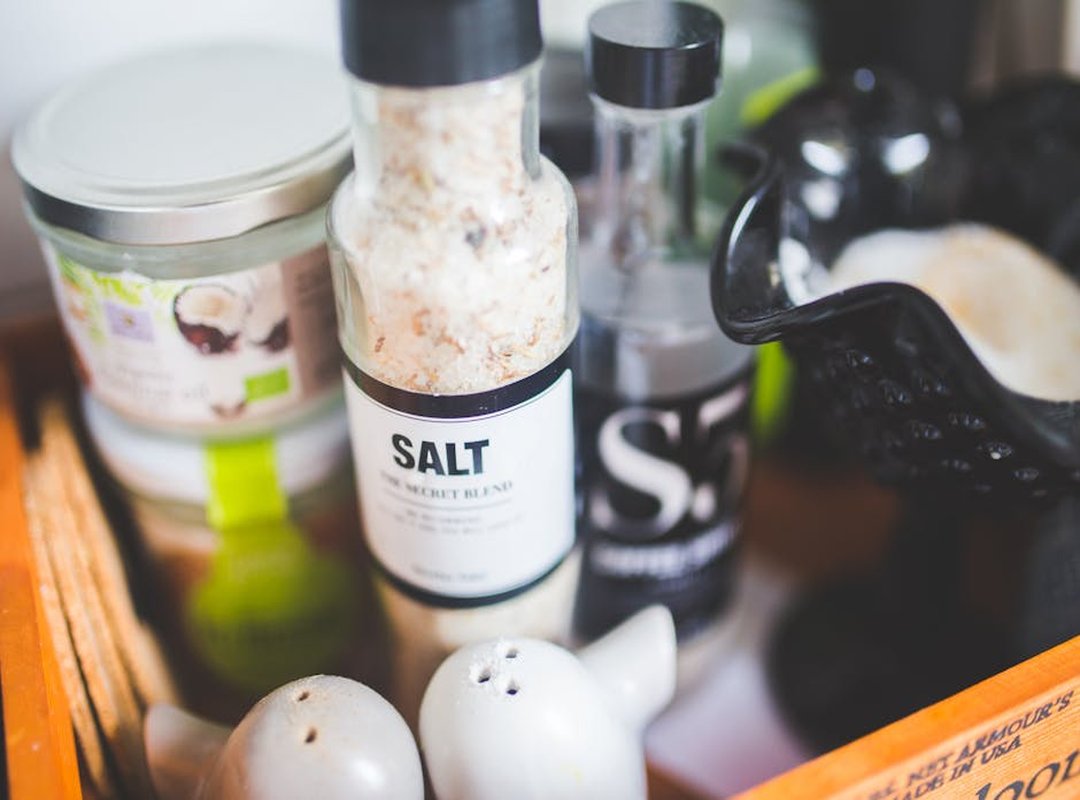
I mix these three things every single day. Acid. Fat.
Umami, sweet, or spice.
That’s it. No stove. No fancy gear.
Just a bowl and a spoon.
Acid cuts through richness. Fat carries flavor. Umami/sweet/spice gives it soul.
Try Vietnamese nuoc cham: lime juice + fish sauce + palm sugar. Stir. Done in 45 seconds.
Tahini drizzle: tahini + lemon juice + maple syrup. Whisk until smooth. Use it on roasted carrots or falafel.
Aji verde: chopped cilantro + lime juice + jalapeño + Greek yogurt. Blend or mash. It shines on grilled fish.
No question.
All three keep 5. 7 days in the fridge. Tightly covered.
You’re not making “sauces.” You’re building flavor systems.
Does it work with store-bought yogurt? Yes. If it’s plain and unsweetened.
Skip the bottled dressings. They’re loaded with stabilizers and sugar you didn’t ask for.
This is how real flavor happens. Fast. Flexible.
Repeatable.
I use these in Jalbiteworldfood Easy Recipes all the time. Especially when I’m too tired to cook but still want food that tastes like it matters.
Grab your lime. Grab your tahini. Grab your yogurt.
Start mixing.
Customize Jalbiteworldfood. No Recipe Needed
I cook without recipes most days. And not because I’m fancy. I just don’t trust them to tell me what my food actually needs.
That’s why I use the Flavor Compass: salty, sour, sweet, aromatic. Four directions. No map required.
If your dish tastes flat? Add acid first. Lemon juice, vinegar, tamarind paste.
Don’t reach for more salt.
If it’s harsh or sharp? A pinch of sugar calms it down. Or a spoonful of fat (butter,) coconut milk, toasted sesame oil.
Read labels like you’re decoding a secret menu. “Tamari” means gluten-free soy. “Coconut aminos” is milder and sweeter than soy sauce. “Gochujang” isn’t just hot (it’s) fermented, funky, Korean.
Here’s what five pantry staples really say about where your food wants to go:
- Gochujang → Korean
- Sumac → Levantine
- Tamarind → Southeast Asian
- Fish sauce → Thai/Vietnamese
- Harissa → North African
You don’t need a recipe to know this. You need attention. And five minutes.
Jalbiteworldfood Easy Recipes are great for starting out. But real freedom starts when you stop following and start adjusting.
Try one tweak tonight. Just one.
Then go deeper.
Start Tonight. Pick One Idea and Cook It Before Bed
I’ve shown you five ways to get real global flavor without the stress.
You don’t need a pantry overhaul. You don’t need six hours. You just need Jalbiteworldfood Easy Recipes and 15 minutes.
Most people wait for “the right night.” There is no right night. There’s only tonight.
Grab three things from your fridge or cabinet right now. Pick one section. Any one.
The 15-minute base formula works. So does the spice-swirl trick. So does the broth boost.
You already know how to cook. You just forgot you’re allowed to start small.
Your kitchen isn’t missing ingredients (it’s) waiting for permission to play.
So go. Turn on the stove. Make something before bed.
That’s it. No prep. No planning.
Just heat, stir, eat.
You’ll taste the difference in under 90 minutes.
 Catherine Nelsonalds has opinions about food culture insights. Informed ones, backed by real experience — but opinions nonetheless, and they doesn't try to disguise them as neutral observation. They thinks a lot of what gets written about Food Culture Insights, Cooking Tips and Techniques, Gastronomic Inspirations is either too cautious to be useful or too confident to be credible, and they's work tends to sit deliberately in the space between those two failure modes.
Reading Catherine's pieces, you get the sense of someone who has thought about this stuff seriously and arrived at actual conclusions — not just collected a range of perspectives and declined to pick one. That can be uncomfortable when they lands on something you disagree with. It's also why the writing is worth engaging with. Catherine isn't interested in telling people what they want to hear. They is interested in telling them what they actually thinks, with enough reasoning behind it that you can push back if you want to. That kind of intellectual honesty is rarer than it should be.
What Catherine is best at is the moment when a familiar topic reveals something unexpected — when the conventional wisdom turns out to be slightly off, or when a small shift in framing changes everything. They finds those moments consistently, which is why they's work tends to generate real discussion rather than just passive agreement.
Catherine Nelsonalds has opinions about food culture insights. Informed ones, backed by real experience — but opinions nonetheless, and they doesn't try to disguise them as neutral observation. They thinks a lot of what gets written about Food Culture Insights, Cooking Tips and Techniques, Gastronomic Inspirations is either too cautious to be useful or too confident to be credible, and they's work tends to sit deliberately in the space between those two failure modes.
Reading Catherine's pieces, you get the sense of someone who has thought about this stuff seriously and arrived at actual conclusions — not just collected a range of perspectives and declined to pick one. That can be uncomfortable when they lands on something you disagree with. It's also why the writing is worth engaging with. Catherine isn't interested in telling people what they want to hear. They is interested in telling them what they actually thinks, with enough reasoning behind it that you can push back if you want to. That kind of intellectual honesty is rarer than it should be.
What Catherine is best at is the moment when a familiar topic reveals something unexpected — when the conventional wisdom turns out to be slightly off, or when a small shift in framing changes everything. They finds those moments consistently, which is why they's work tends to generate real discussion rather than just passive agreement.