

I bet you’ve stared into the fridge at 6:17 p.m. again.
Hungry. Tired. Done with takeout.
And tired of recipes that promise “Korean flavor” but taste like soy sauce and hope.
I’ve been there. Made that sad gochujang-slathered chicken that tasted more like regret than red pepper paste.
So I spent months testing in real kitchens. Not test kitchens, actual ones. With kids screaming, timers beeping, and pantry shelves half-empty.
No fancy knives. No Korean grocery runs. Just what’s already in your cupboard.
The garlic sizzles. The sesame oil smells nutty and warm. That bright tang hits your nose before the first bite.
Steamed rice is ready before the sauce thickens.
This isn’t “Korean-ish.” It’s real. It’s fast. It’s yours.
I cut out every step that didn’t earn its place. Every ingredient that wasn’t doing real work.
You don’t need to know how to julienne scallions. You just need to know where your spatula is.
I’ve watched people make these on weeknights with zero prep time and still get compliments from their Korean aunties.
That matters.
This article gives you what you actually want: flavor that sticks, recipes that fit your life, and zero cultural compromise.
Quick Recipe Jalbiteworldfood that works (tonight.)
Jalbiteworldcuisine Isn’t Korean Food. It’s Survival Cooking
Jalbiteworldfood is what happens when your grandma’s kimchi recipe meets your 47-minute workday.
I don’t mean that as a joke. I mean it literally.
This isn’t restaurant Korean. It’s not textbook Korean. It’s thoughtful reduction (not) lazy shortcuts.
You use gochugaru powder, not flakes, because it blooms faster in hot oil. You grab quick-cook brown rice and still get chew. You don’t skip acid or salt in tofu marinades (you) compress the time so it works now.
Does that make it less Korean? No. It makes it yours.
Take kimchi fried rice. Classic version needs day-old rice, house-fermented kimchi, and three pans. Jalbiteworldcuisine uses leftover takeout rice, jarred kimchi (yes, really), and one pan.
Done in 12 minutes. Cleanup takes 90 seconds.
That’s not compromise. That’s recalibration.
Time poverty reshapes tradition. Not erases it.
You’re not failing Korean cooking. You’re adapting it (like) every generation before you.
And if you want a real-world starting point? Try the Quick Recipe Jalbiteworldfood guide. It shows exactly how to build flavor without waiting for anything.
Your ancestors didn’t have Instacart. But they did have ingenuity.
So do you.
The 5-Pantry-Core Principle: Flavor Without the Run
I keep five things on my shelf no matter what. Not six. Not four.
Five.
Gochujang is non-negotiable. It’s fermented chili paste. Sweet, spicy, funky, deep.
You can’t fake that depth with ketchup and cayenne. (Yes, I’ve tried.)
Soy sauce or tamari gives salt + umami backbone. Low-sodium? Fine.
But skip the “cooking soy sauce” (it’s) loaded with corn syrup and weird additives.
Toasted sesame oil? Add it after cooking. Heat kills its aroma.
Refrigerate it after opening. Otherwise it turns bitter in two weeks. (I learned that the hard way.)
Rice vinegar is mild, clean, and bright. Apple cider vinegar works only if you’re out (but) it adds tangy apple notes that don’t belong in a classic Quick Recipe Jalbiteworldfood stir-fry.
Dried seaweed. Nori or wakame. Adds oceanic savoriness.
Not optional. Not decorative. It’s the secret layer in broths and dressings.
Substitutions fail when they change function. No, Worcestershire isn’t a soy sauce swap. No, olive oil won’t mimic toasted sesame oil.
Pantry rescue tip: bland stir-fry? Stir in 1 tsp gochujang + 1 tsp rice vinegar + ½ tsp sugar. Done.
No extra ingredients. No extra time.
I wrote more about this in Jalbiteworldfood quick recipe.
Gochujang lasts a year unrefrigerated. That’s wild. I still refrigerate mine.
Just in case.
You don’t need a grocery run to fix dinner. You need these five. Start there.
25-Minute Meals That Actually Taste Like Dinner
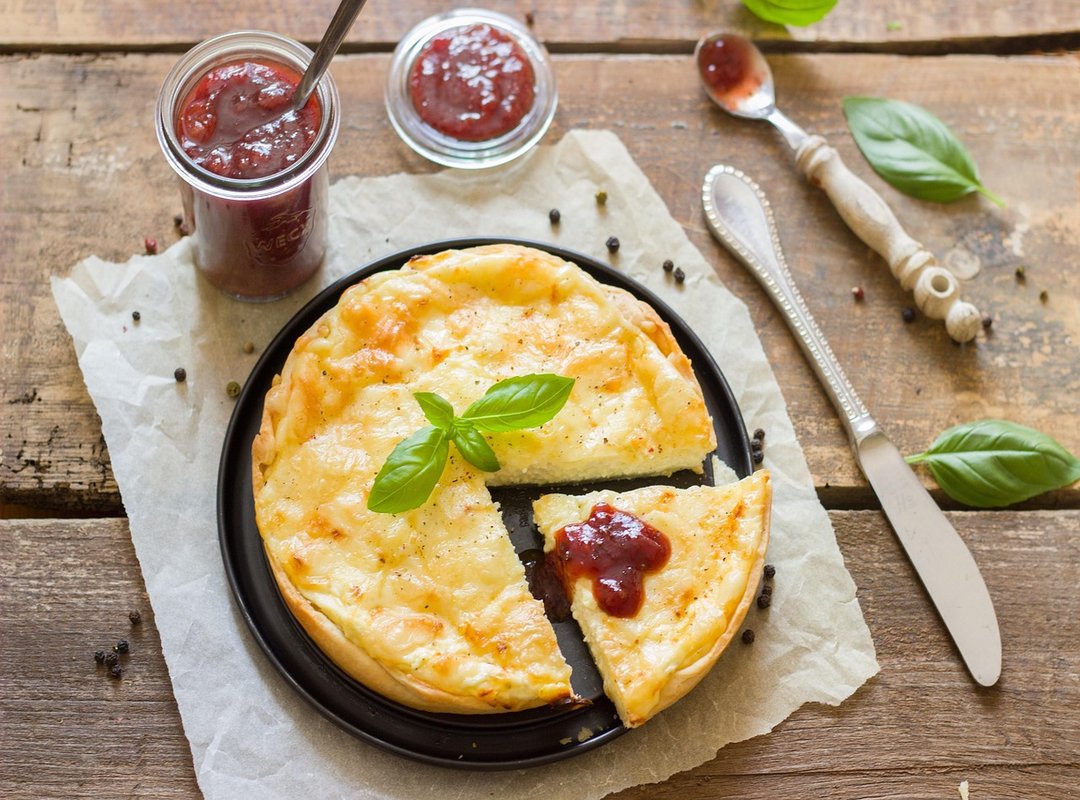
Gochujang-glazed tofu bowls take 20 minutes flat. Prep: 5 minutes (no pressing. Just slice extra-firm tofu and pat dry).
Cook: 12 minutes (get those edges caramelized, not steamed). Rest/assemble: 3 minutes (drizzle, scatter scallions, done). The skill? How to caramelize tofu edges without sticking (use) medium-high heat and don’t move it for 90 seconds.
Kimchi scramble tacos are 18 minutes. Warm corn tortillas in the same skillet after the eggs. No second pan.
Canned black beans, jarred kimchi, and a squeeze of lime do 90% of the work. The skill? How to control egg curd size for creamy scramble. Stir constantly with a spatula, pull off heat while still wet.
Quick-broth noodle soup is 15 minutes. Boil 2 cups water. Stir in 1 tbsp gochujang, 1 tsp soy, ½ cup frozen spinach.
Add noodles. Cook 2 minutes. That’s it.
The skill? Building depth without time (yes,) really.
No stock. No simmering. No waiting.
All three use one pot or one skillet. No blender. No mandoline.
No “just one more gadget.”
You already own what you need.
I’ve made these on weeknights when my brain was fully checked out.
Still tasted better than takeout.
Want more like this? The Jalbiteworldfood quick recipe page has the full rotation (including) substitutions for what’s actually in your pantry right now.
These aren’t “quick recipe jalbiteworldfood” hacks.
They’re meals that respect your time and your taste buds.
Winter’s dragging. Your energy’s low. So skip the 45-minute recipes that promise joy but deliver exhaustion.
Make one tonight. Eat it hot. Feel like you won something.
Easy Recipes Aren’t Lazy. They’re Precise
I’ve burned more gochujang marinades than I care to admit.
Five minutes is the hard stop. Any longer and the acid shreds the surface. You get mush, not sear.
So skip the hour-long soak. Instead, baste while cooking (brush) it on in the last 90 seconds over high heat. That’s where the flavor locks in.
Cold rice for fried rice? Stop digging in the fridge.
Microwave day-old rice for 90 seconds on high. Fluff with a fork. Done.
Grains separate like they were never stuck together.
Sesame oil isn’t a cooking oil. It’s a finish.
Heat kills its aroma. So steam your dish, plate it hot, then drizzle after. Swirl gently.
Don’t stir. That’s how you taste sesame, not smoke.
“Easy” doesn’t mean dumbing it down. It means cutting the noise so technique stays sharp.
Here’s what goes wrong (and) how to fix it now:
| Symptom | Likely Cause | Instant Fix |
|---|---|---|
| Sauce tastes flat | Missing acid balance | Add ¼ tsp rice vinegar, taste, repeat once |
You don’t need more steps. You need the right step. At the right time.
That’s why I keep coming back to Quick Recipe Jalbiteworldfood. It’s built around that idea. Not shortcuts.
Smart stops.
Quick recipes jalbiteworldfood
Your First Jalbiteworldcuisine Dish Starts Now
I’ve shown you how Quick Recipe Jalbiteworldfood works. No gatekeeping. No fake “authenticity” that demands six-hour prep.
It’s not about lowering standards. It’s about getting real flavor on your plate tonight.
You need five core pantry items. If you have none? Buy tamarind paste first.
It’s the backbone. Everything else builds from there.
Pick one recipe right now. Just one. Open the link.
Grab your ingredients. Set a 25-minute timer.
You’re not waiting for “someday.” You’re cooking in 90 minutes. Or less.
Most people stall because they overthink the first step. Don’t be most people.
Your kitchen is already ready.
The flavor starts the moment you heat the pan.
 Catherine Nelsonalds has opinions about food culture insights. Informed ones, backed by real experience — but opinions nonetheless, and they doesn't try to disguise them as neutral observation. They thinks a lot of what gets written about Food Culture Insights, Cooking Tips and Techniques, Gastronomic Inspirations is either too cautious to be useful or too confident to be credible, and they's work tends to sit deliberately in the space between those two failure modes.
Reading Catherine's pieces, you get the sense of someone who has thought about this stuff seriously and arrived at actual conclusions — not just collected a range of perspectives and declined to pick one. That can be uncomfortable when they lands on something you disagree with. It's also why the writing is worth engaging with. Catherine isn't interested in telling people what they want to hear. They is interested in telling them what they actually thinks, with enough reasoning behind it that you can push back if you want to. That kind of intellectual honesty is rarer than it should be.
What Catherine is best at is the moment when a familiar topic reveals something unexpected — when the conventional wisdom turns out to be slightly off, or when a small shift in framing changes everything. They finds those moments consistently, which is why they's work tends to generate real discussion rather than just passive agreement.
Catherine Nelsonalds has opinions about food culture insights. Informed ones, backed by real experience — but opinions nonetheless, and they doesn't try to disguise them as neutral observation. They thinks a lot of what gets written about Food Culture Insights, Cooking Tips and Techniques, Gastronomic Inspirations is either too cautious to be useful or too confident to be credible, and they's work tends to sit deliberately in the space between those two failure modes.
Reading Catherine's pieces, you get the sense of someone who has thought about this stuff seriously and arrived at actual conclusions — not just collected a range of perspectives and declined to pick one. That can be uncomfortable when they lands on something you disagree with. It's also why the writing is worth engaging with. Catherine isn't interested in telling people what they want to hear. They is interested in telling them what they actually thinks, with enough reasoning behind it that you can push back if you want to. That kind of intellectual honesty is rarer than it should be.
What Catherine is best at is the moment when a familiar topic reveals something unexpected — when the conventional wisdom turns out to be slightly off, or when a small shift in framing changes everything. They finds those moments consistently, which is why they's work tends to generate real discussion rather than just passive agreement.