

Studio Pilates used to be a treat. It was booked around work, traffic, and class times. Now it is showing up in spare rooms, garages, and living areas. The shift is simple to explain. People want the same full-body burn, but with more control over time and routine.
Home workouts also feel more personal now. Music, lighting, and pace can match the day. A session can happen early, late, or in short blocks. That flexibility matters, especially for anyone balancing work, family, and recovery.
Most importantly, Pilates has changed. It is no longer only gentle reformer work. High-resistance formats have made studio workouts feel athletic. They build strength, balance, and endurance without heavy joint impact.
Why Studio-Style Pilates Is Moving Into Homes
Studio routines create a specific kind of challenge. The work is controlled, but the intensity adds up fast. Muscles stay under tension longer. The core stays active through almost every movement. This is different from a quick bodyweight circuit.
Home training fits this style well. Pilates sessions rely on precision and repetition. They do not require loud equipment or heavy plates. A small footprint setup can still deliver a full session.
There is also the consistency factor. When travel time disappears, sessions happen more often. That steady rhythm is where results usually come from, and the CDC outlines major benefits of regular physical activity for health and function.
What People Want From a “Studio Feel” Workout
A studio-style session has a few clear markers. It feels structured. It flows from warm-up to peak work, then finishes with control. Studio-style Pilates also blends strength and mobility, and Pilates improves core strength and balance for many people.
At home, that “studio feel” usually comes from three things.
- Progressive resistance that keeps the workout challenging
- Smooth movement paths that protect joints and support form
- Programming that mixes strength, stability, and endurance
This is why Pilates reformers and high-resistance machines have become so popular. They turn a workout into a system, not a random set of exercises.
The Machines Behind High-Intensity Pilates
Classic reformers remain a strong choice for many people. They are versatile and joint-friendly. High-intensity formats build on that base with more resistance options and more athletic sequencing.
This is where Megaformer-style workouts gained attention. They became known for full-body sequences, slower reps, and deep muscle fatigue. Many people now search for similar machines to use at home.
Sculptformer is one example in this space. It is designed for high-intensity Pilates training. It targets the same training goals people associate with Megaformer-style and studio strength Pilates. It is also often discussed as an alternative for those comparing different high-resistance options.
Brand names matter less than outcomes. The key is the training style. Controlled resistance, long sets, and full-body sequencing drive the results.
How To Choose the Right Home Setup
Buying home fitness equipment can get expensive quickly. Studio-style Pilates equipment is also not one-size-fits-all. The best choice depends on space, goals, and how often training will happen.
Here are the checks that matter most.
Resistance range and smoothness
Resistance should feel even through the full movement. Jerky motion makes form harder. It also raises joint stress. Look for stable rails and consistent carriage glides.
Platform stability
Studio sessions include planks, lunges, and standing work. A stable base helps confidence. It also supports better alignment during slower reps.
Adjustability for different bodies
A good setup should fit different heights and limb lengths. It should also allow spring changes and strap adjustments without fuss.
Footprint and storage reality
A machine can be excellent, yet wrong for the room. Measure the space. Include clearance for stepping on and off. Also, plan for storage if needed.
This is also the point where many buyers start comparing listings for a home megaformer for sale and similar options, then weigh those choices against alternatives like Sculptformer.
How To Get Studio Results Without Studio Hours
Home workouts often fail for one reason. They lack structure. Studio Pilates works because it follows a method. At home, the same method needs to be recreated.
A simple weekly structure works well.
- 2 sessions focused on strength and slow control
- 1 session focused on endurance and flow
- 1 lighter session focused on mobility and core stability
This pattern supports progress without grinding the body down. It also keeps training interesting.
The other key is pacing. Studio-style Pilates is not rushed. Slower reps increase time under tension. That is where the deep burn comes from.
How To Make Home Sessions Feel More Like Class
Motivation changes at home. That is normal. A studio has energy built in. At home, it needs to be created on purpose.
Small details help.
- Use the same start time on most days
- Pick one playlist only for training
- Keep the setup ready, not packed away daily
- Track one simple metric, like total sessions per week
The goal is to remove friction. When the workout starts easily, it happens more often.
It also helps to keep sessions shorter than expected. Twenty-five to forty minutes is enough for most studio-style Pilates work. Consistency beats marathon sessions.
Why Low-Impact Matters for Long-Term Progress
High intensity often gets linked with high impact. Pilates proves that the link is not required. The intensity comes from resistance, control, and sequencing.
Low-impact training can still build serious strength. It can also support recovery better. Many people find it easier to train consistently when joints feel calm.
That matters for long-term progress. Training is rarely limited by effort alone. It is limited by soreness, niggles, and schedule disruptions. A low-impact format reduces those disruptions for many people.
A Practical Take on Sculptformer as an Alternative
Some shoppers want the exact machine they used in a studio. Others want the training effect, not the exact brand. The second group usually has more options.
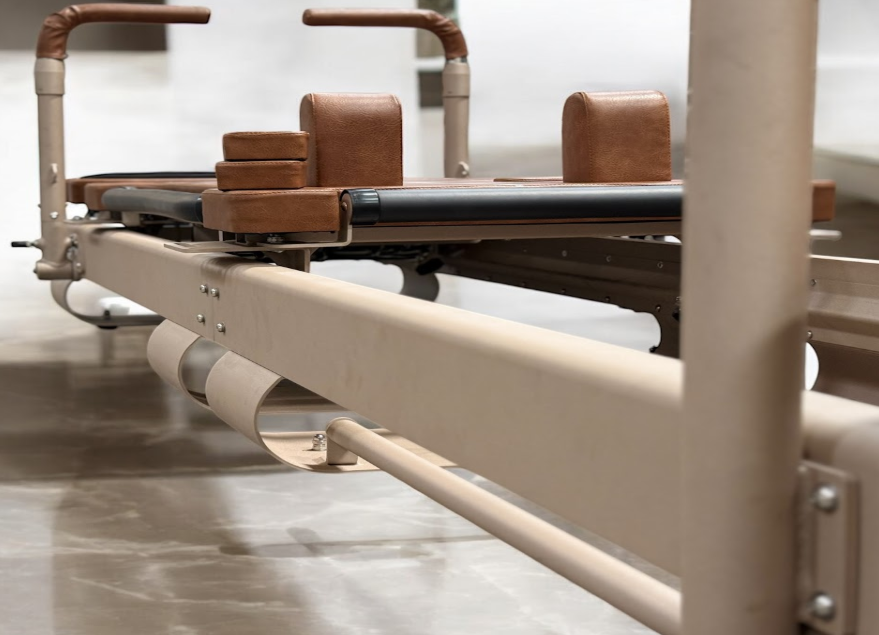
Sculptformer sits in that “training effect” category. It is built for high-resistance Pilates sessions. It supports slow, controlled sequences that hit the core, glutes, arms, and legs in one flow. For people comparing high-intensity Pilates equipment, it can make sense as an alternative pathway to similar workouts.
Bringing Studio Pilates Home Without Overthinking It
Studio-style Pilates at home is growing because it solves real problems. It saves time. It supports consistency. It delivers strength and endurance without high impact.
The best results come from a clear setup and a repeatable routine. Choose equipment that feels stable and smooth. Keep sessions structured. Train often enough to build momentum.
Home Pilates does not need to mimic a studio perfectly. It only needs to deliver the same feeling. Focused work, controlled movement, and steady progress. That is the real studio experience.