

A Brief Look at Its Origins
Turmeric isn’t just a trend it’s legacy. This bright yellow root has been a cornerstone of South Asian life for more than 4,000 years. In places like India and Sri Lanka, it wasn’t just a kitchen staple it was used in rituals, medicine, and even as a dye. Traditional systems like Ayurveda and Chinese medicine leaned heavily on turmeric for its healing properties, long before modern science caught up.
Back in the day, turmeric held real economic weight. Traders moved it across continents, and in some places, it was considered as precious as gold. Healers, cooks, and merchants all valued it for different reasons but the common truth was simple: turmeric had power. And it still does.
What Makes Turmeric Powerful?
Turmeric is much more than a colorful addition to your spice rack. The secret to its profound health benefits lies in its most celebrated component: curcumin.
The Powerhouse Compound: Curcumin
At the core of turmeric’s potency is curcumin, a natural compound that:
Gives turmeric its signature bright yellow hue
Functions as a strong antioxidant, neutralizing free radicals in the body
Acts as a natural anti inflammatory agent, comparable in some studies to over the counter medications, but without harsh side effects
What the Research Says
While traditional medicine has championed turmeric for centuries, modern research continues to back its effectiveness:
Clinical studies show curcumin may support relief from joint pain and chronic inflammation
Its antioxidant activity helps protect cells from aging and environmental damage
Ongoing research (as of 2026) explores its potential in treating chronic conditions, including heart disease and neurodegenerative disorders
Still Evolving with Science
Curcumin’s full potential is still being uncovered. Emerging studies are looking at:
Effectiveness in managing oxidative stress
Its role in preventative medicine, particularly in inflammation related illnesses
New delivery systems to improve curcumin absorption and bioavailability
With both ancient wisdom and modern evidence on its side, curcumin continues to earn its place as a key player in holistic health.
How Turmeric Supports the Body
Turmeric doesn’t just sit in your spice rack it works. Its strength lies in curcumin, the active ingredient that gives it both color and power. One of the major benefits? Inflammation control. Whether you’re dealing with sore joints, post workout fatigue, or arthritis, turmeric steps in to cool things down. Regular use can lead to noticeable relief over time.
It also has something to offer the mind. Studies suggest curcumin may support memory, improve focus, and slow cognitive decline. For those looking to stay sharp as the years roll on, it’s a quiet performer worth adding to the mix.
Your heart gets in on the action too. Turmeric has been linked to improved circulation and a drop in LDL cholesterol. That’s not marketing fluff just steady science giving your cardiovascular system fewer things to worry about.
And let’s not forget the gut. Turmeric’s role in traditional medicine has long included calming inflammation in the digestive tract. It’s often turned to for relief from bloating, indigestion, and gut imbalance. Not flashy, not trendy just effective.
How to Use Turmeric Daily
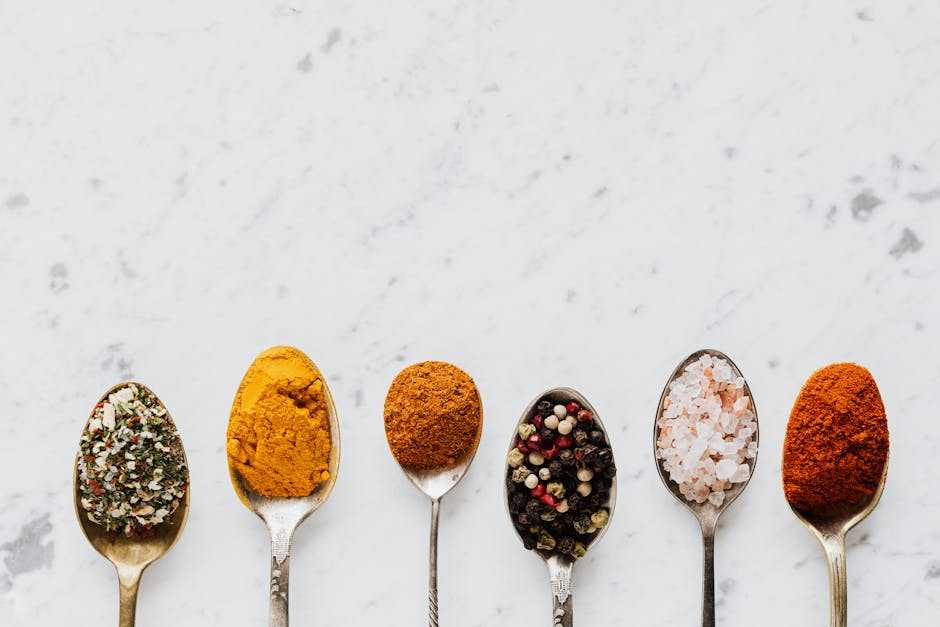
Turmeric isn’t just for curry lovers. Whether you’re a wellness junkie or just looking for a simple upgrade to your daily routine, there are a few solid ways to make it work for you.
Start with the form that fits your lifestyle. Fresh turmeric root brings a bold, earthy flavor and works well in juices or grated into stir fries and broths. Dried powder is easier to keep on hand sprinkle it into soups, rice, or scrambled eggs. If you’re short on time, supplements are available in concentrated capsules, but make sure they list curcumin content.
For drinks? Add turmeric to teas, smoothies, or classic golden milk (turmeric, milk of choice, a little sweetener, and spice it’s tradition for a reason). Just one pro tip: combine it with black pepper to boost absorption. The compound piperine in pepper helps your body actually use the curcumin you’re consuming.
Not sure where to start? Check out more practical ways to use it here: Explore more uses of turmeric
What Science Says 2026 Edition
Turmeric’s reputation isn’t just riding on tradition anymore modern research is stacking up. Scientists have been digging deep into how this ancient root interacts with some of today’s biggest health challenges.
Recent studies highlight turmeric’s impact on immune system regulation. Curcumin, its active compound, appears to help modulate immune responses, potentially reducing chronic inflammation and even aiding in cancer prevention. Some lab based trials suggest it can inhibit the growth of certain tumors, though human studies are still ongoing. It’s not a miracle cure, but the signals are promising.
Turmeric’s also showing muscle in the metabolic department. Findings from recent clinical trials point to its effectiveness in improving insulin sensitivity and managing blood sugar levels. For people dealing with metabolic syndrome a cluster of conditions including high blood pressure, high blood sugar, and excess body fat these results offer cautious optimism.
There’s also fresh interest in turmeric’s role in post viral inflammation. A slew of new trials launched in 2025 are now investigating whether turmeric can support recovery for those with lingering symptoms from viral illnesses. Early data suggests that its anti inflammatory traits may help ease joint pain, brain fog, and fatigue but we’ll need time to see how this plays out at scale.
In short, turmeric isn’t just a wellness trend with a good PR team. The science is starting to catch up with the tradition and it’s worth paying attention.
What to Watch For
Not all turmeric products are built the same and knowing what to look for can make all the difference in your results.
Check the Curcumin Content
Turmeric’s benefits largely come from its active compound, curcumin. However, not every supplement offers a meaningful dose:
Look for turmeric extracts standardized to 95% curcuminoids
Choose supplements that pair curcumin with piperine (black pepper extract) to improve absorption
Be cautious of vague labeling or low concentration formulas
Be Aware of Potential Interactions
Though natural, turmeric is not risk free for everyone. It may affect how certain medications work:
Blood thinners: Turmeric may enhance their effect, increasing the risk of bleeding
Diabetes medications: It may lower blood sugar levels, potentially causing hypoglycemia when combined
Gallbladder issues: High doses may aggravate symptoms
If you’re on medication or have a pre existing condition, proceed with care.
Talk to a Qualified Expert First
Before adding turmeric supplements to your regimen:
Consult with a healthcare provider or clinical herbalist
Review your medications and medical history
Start with a low dose to monitor how your body responds
Turmeric can be a powerful ally but only when used wisely.
Worth Adding to Your Routine
Turmeric isn’t some miracle cure but it doesn’t need to be. When taken in moderate doses, it’s generally safe for most people and has a long track record as both food and medicine. Think of it more as a steady teammate than a silver bullet: something that quietly supports your system over time rather than delivering sudden, dramatic results.
For anyone looking to build a more intentional daily routine, adding a bit of turmeric whether in your cooking or as a supplement can be one of those small, sustainable changes. The key is consistency. You’re not chasing instant impact here, but long term resilience.